
Happiness & Success
Achieving Happiness Through Acceptance of Life
The quest for happiness often leads to frustration, as many fail to realize that the...








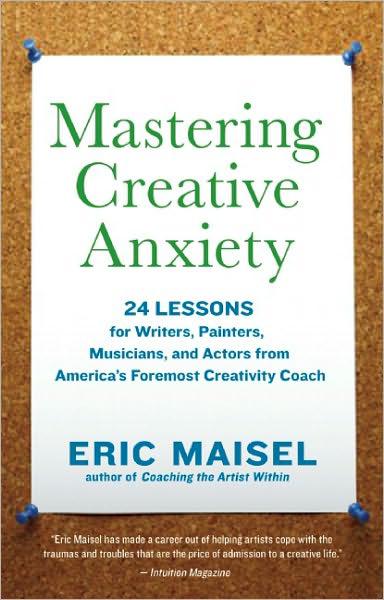
Anxiety and creativity share an intimate, complex relationship that profoundly affects anyone engaged in creative pursuits. Whether writing a novel, painting a canvas, composing music, launching a business, or engaging in any form of creative expression, the experience of anxiety becomes an unavoidable companion on the journey. Rather than viewing this anxiety as a destructive force to eliminate, a revolutionary approach emerges: learning to master it, work with it, and transform it into fuel for creative achievement.
Creative individuals face unique psychological challenges that differ substantially from general anxiety. The blank page, the empty canvas, the uncertainty of whether an idea will resonate—these situations generate a specific type of apprehension that can either paralyze or motivate. This comprehensive guide explores twelve distinct sources of anxiety that creative people encounter, from the fear of judgment and failure to concerns about marketplace reception and the authenticity of one's work. By identifying and understanding these specific anxiety triggers, creative individuals gain the power to address them directly rather than being controlled by vague, overwhelming feelings.
The approach presented combines practical psychology with actionable strategies, offering readers a toolkit of techniques to reduce, manage, and harness their creative anxiety. These methods range from cognitive reframing exercises that change how we perceive threatening situations, to behavioral practices that build resilience and confidence. Readers discover how to create ceremonies and rituals that mark transitions into creative work, establishing psychological boundaries that protect creative time and energy. The guidance includes concrete methods for managing the internal critic, handling rejection, dealing with perfectionism, and maintaining motivation through inevitable setbacks.
Read more ▼
John E. Mack, Paul Devereux
Jason F. McLennan
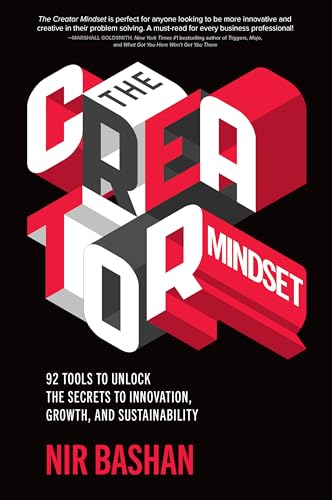
Nir Bashan
The quest for happiness often leads to frustration, as many fail to realize that the...

Reaching sixty can evoke complex emotions, blending relief with ongoing ambition. This...

The quest for life's purpose often leads to unsatisfactory answers. This article...

Romantic love is a complex emotion shaped by historical, cultural, and biological...

Imagine going through one of the most physically and emotionally demanding experiences...

Daily actions often conflict with personal beliefs due to past experiences. By utilizing...

Have you ever argued over something that wasn't actually said? From cultural differences...

Therapists often use dream interpretation to delve into patients' emotions, but true...