
Happiness & Success
Achieving Happiness Through Acceptance of Life
The quest for happiness often leads to frustration, as many fail to realize that the...








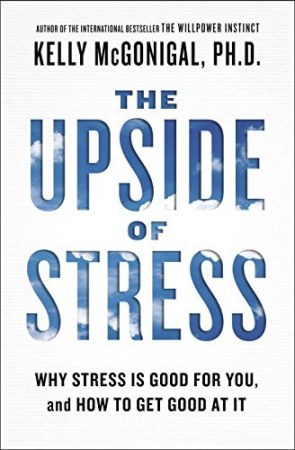
For decades, we've been told that stress is our enemy—a toxic force that damages our health, sabotages our happiness, and shortens our lives. We've invested billions in stress reduction techniques, Apps, workshops, and wellness programs all designed to help us avoid or eliminate stress from our lives. But what if everything we thought we knew about stress was wrong?
Revolutionary research in psychology and neuroscience reveals a startling truth: stress itself isn't the problem. Rather, our beliefs about stress determine whether it harms us or helps us grow stronger. This groundbreaking perspective challenges conventional wisdom and offers a transformative approach to one of modern life's most universal experiences.
Drawing on cutting-edge scientific studies from Harvard, Yale, and other leading research institutions, readers discover that stress can actually enhance performance, deepen relationships, find meaning, and build resilience. The key lies not in eliminating stress but in changing our mindset about it. When we view stress as enhancing rather than debilitating, our bodies respond differently at a physiological level. Our blood vessels remain relaxed rather than constricted, our hearts pump more efficiently, and we access greater courage and confidence.
Read more ▼
Bhagwan Rajneesh

Maureen J. St. Germain
Marcia Emery

Stand like mountain, flow like water
Brian Luke Seaward
The quest for happiness often leads to frustration, as many fail to realize that the...

Reaching sixty can evoke complex emotions, blending relief with ongoing ambition. This...

The quest for life's purpose often leads to unsatisfactory answers. This article...

Romantic love is a complex emotion shaped by historical, cultural, and biological...

Imagine going through one of the most physically and emotionally demanding experiences...

Daily actions often conflict with personal beliefs due to past experiences. By utilizing...

Have you ever argued over something that wasn't actually said? From cultural differences...

Therapists often use dream interpretation to delve into patients' emotions, but true...