



Happiness & Success
Achieving Happiness Through Acceptance of Life
The quest for happiness often leads to frustration, as many fail to realize that the...








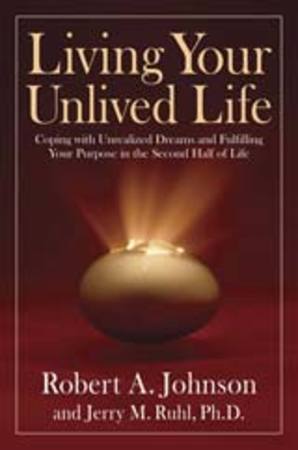
Deep within each of us lies a shadow realm of unexplored possibilities, abandoned dreams, and unlived potentials that silently shape our lives from the darkness. These are not merely forgotten wishes or casual interests we never pursued, but essential aspects of our authentic selves that we've pushed away, denied, or never dared to acknowledge. Understanding and integrating these hidden parts represents one of the most profound journeys of personal transformation available to us.
This powerful exploration into the psychology of unrealized potential draws from Jungian depth psychology to illuminate how the parts of ourselves we've rejected or ignored don't simply disappear. Instead, they form what Jung called the shadow, exerting invisible influence over our choices, relationships, and sense of fulfillment. More specifically, when we deny certain capabilities, desires, or aspects of our personality, they often emerge later in life with unexpected force, sometimes creating midlife crises, sudden career changes, or inexplicable longings that seem to appear from nowhere.
The work examines how culture, family expectations, and societal pressures conspire to narrow the range of acceptable self-expression, forcing us to suppress vital aspects of our nature. From early childhood, we receive messages about who we should be, what careers are appropriate, how we should behave, and which emotions are acceptable to express. In response, we unconsciously exile parts of ourselves to maintain approval and belonging. A young person with artistic sensitivity might bury those gifts to pursue a "practical" career. Someone with natural leadership abilities might suppress them to avoid conflict or attention. These unlived aspects don't die; they wait in the wings of our psyche, sometimes for decades.
Read more ▼
The quest for happiness often leads to frustration, as many fail to realize that the...

Reaching sixty can evoke complex emotions, blending relief with ongoing ambition. This...

The quest for life's purpose often leads to unsatisfactory answers. This article...

Imagine going through one of the most physically and emotionally demanding experiences...

Romantic love is a complex emotion shaped by historical, cultural, and biological...

Daily actions often conflict with personal beliefs due to past experiences. By utilizing...

Have you ever argued over something that wasn't actually said? From cultural differences...

Therapists often use dream interpretation to delve into patients' emotions, but true...