

Happiness & Success
Achieving Happiness Through Acceptance of Life
The quest for happiness often leads to frustration, as many fail to realize that the...








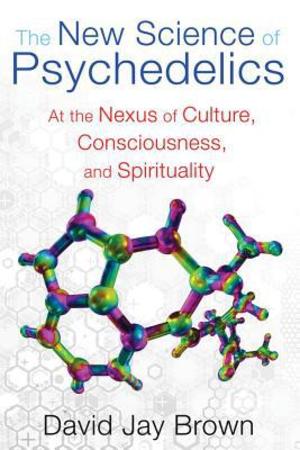
At first glance, the connection between consciousness-expanding substances and professional success might seem tenuous, yet a deeper exploration reveals profound implications for how we approach creativity, problem-solving, and innovation in our careers. This groundbreaking exploration examines how altered states of consciousness have influenced some of history's most successful entrepreneurs, scientists, and creative professionals, offering readers a window into unconventional thinking that has driven breakthrough achievements across multiple industries.
The relationship between expanded consciousness and professional excellence has a rich but often hidden history. Silicon Valley's culture of innovation, for instance, has long been influenced by experiments with consciousness exploration, with numerous technology pioneers crediting their breakthrough ideas to experiences that fundamentally shifted their perception of reality and possibility. This connection between neurological flexibility and creative problem-solving presents fascinating implications for anyone seeking to break through limiting beliefs that constrain career advancement and entrepreneurial vision.
Readers discover how these substances work on a neurological level to disrupt habitual thought patterns, creating opportunities for fresh perspectives on seemingly intractable problems. The default mode network in the brain, which maintains our ego structure and habitual ways of thinking, temporarily quiets during these experiences, allowing for novel connections between disparate ideas. For professionals stuck in conventional thinking or facing creative blocks, understanding this mechanism offers insight into why so many innovators have turned to these tools when confronting challenges that require radical new approaches.
Read more ▼
The quest for happiness often leads to frustration, as many fail to realize that the...

Reaching sixty can evoke complex emotions, blending relief with ongoing ambition. This...

The quest for life's purpose often leads to unsatisfactory answers. This article...

Romantic love is a complex emotion shaped by historical, cultural, and biological...

Imagine going through one of the most physically and emotionally demanding experiences...

Daily actions often conflict with personal beliefs due to past experiences. By utilizing...

Have you ever argued over something that wasn't actually said? From cultural differences...

Therapists often use dream interpretation to delve into patients' emotions, but true...