
Happiness & Success
Achieving Happiness Through Acceptance of Life
The quest for happiness often leads to frustration, as many fail to realize that the...








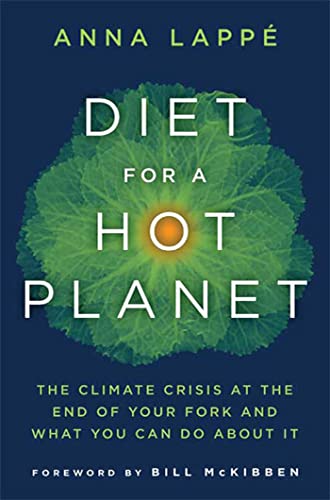
Climate change and food production are intrinsically linked in ways most of us never consider when we sit down to a meal. Every bite we take carries with it a hidden environmental cost, and understanding this connection opens up powerful opportunities for personal action and planetary healing. This groundbreaking work reveals how our global food system has become one of the primary drivers of greenhouse gas emissions, contributing as much as one-third of all climate-changing pollution worldwide.
The journey begins with an eye-opening examination of industrial agriculture's role in our current climate crisis. Readers discover how factory farms, chemical-intensive monocultures, and long-distance food transportation create a perfect storm of environmental destruction. The statistics are sobering: livestock production alone generates more greenhouse gases than all the world's transportation combined. Yet this revelation isn't meant to paralyze readers with guilt or despair. Instead, it serves as a catalyst for understanding and empowerment.
What makes this exploration particularly valuable is its refusal to accept the conventional narrative that industrial agriculture is necessary to feed a growing global population. Through meticulous research and compelling evidence, readers encounter a different story entirely. Small-scale, sustainable farming practices actually produce more food per acre than industrial operations while simultaneously healing the soil, sequestering carbon, and supporting biodiversity. The myths perpetuated by agribusiness giants are systematically dismantled, revealing economic and political motivations behind the current broken system.
Read more ▼
The South Beach Diet Parties and Holidays Cookbook
Arthur Agatston

The great country inns of America cookbook
James Stroman, Jennifer Wauson, Kevin Wilson

The complete guide to wheat-free cooking
Phyllis L. Potts
Marc David
The quest for happiness often leads to frustration, as many fail to realize that the...

Reaching sixty can evoke complex emotions, blending relief with ongoing ambition. This...

The quest for life's purpose often leads to unsatisfactory answers. This article...

Romantic love is a complex emotion shaped by historical, cultural, and biological...

Imagine going through one of the most physically and emotionally demanding experiences...

Have you ever argued over something that wasn't actually said? From cultural differences...

Daily actions often conflict with personal beliefs due to past experiences. By utilizing...

Therapists often use dream interpretation to delve into patients' emotions, but true...