
Happiness & Success
Achieving Happiness Through Acceptance of Life
The quest for happiness often leads to frustration, as many fail to realize that the...








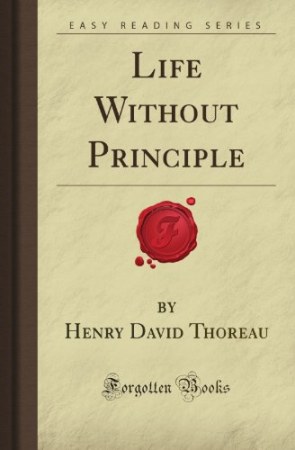
Imagine challenging everything you've been taught about success, work, and the pursuit of wealth. This powerful essay dares readers to examine whether the frantic scramble for money and material comfort has become a hollow substitute for genuine living. Drawing from mid-19th century observations that remain startlingly relevant today, these pages deliver a sharp critique of economic values that prioritize profit over purpose, employment over enlightenment, and busyness over being.
At its core, this work confronts a fundamental question: What are we really working for? Most people spend the majority of their waking hours engaged in labor that serves purely economic ends, trading precious time and energy for wages that never quite seem enough. The text argues that this arrangement represents a profound misdirection of human potential. Rather than using work as a means to support a meaningful life, society has reversed the equation, making life merely a vehicle for endless work.
The examination here goes beyond simple criticism of capitalism or commerce. Instead, readers encounter a philosophical investigation into what constitutes genuine value versus artificial value. Gold coins may glitter, but do they truly enrich the human spirit? A large bank account might provide security, but does it deliver wisdom, peace, or authentic connection? These questions cut to the heart of personal empowerment because they challenge readers to define success on their own terms rather than accepting society's predetermined definitions.
Read more ▼
Courtney A. Walsh
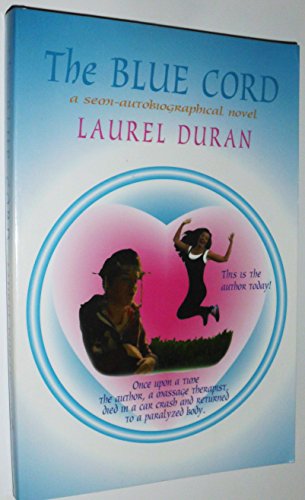
Laurel Duran
Nathan Bryon, Dapo Adeola
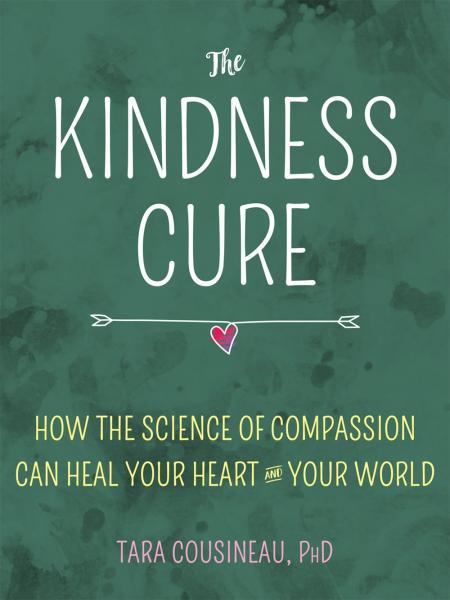
Tara Cousineau
The quest for happiness often leads to frustration, as many fail to realize that the...

Reaching sixty can evoke complex emotions, blending relief with ongoing ambition. This...

The quest for life's purpose often leads to unsatisfactory answers. This article...

Romantic love is a complex emotion shaped by historical, cultural, and biological...

Imagine going through one of the most physically and emotionally demanding experiences...

Have you ever argued over something that wasn't actually said? From cultural differences...

Daily actions often conflict with personal beliefs due to past experiences. By utilizing...

Therapists often use dream interpretation to delve into patients' emotions, but true...