
Happiness & Success
Achieving Happiness Through Acceptance of Life
The quest for happiness often leads to frustration, as many fail to realize that the...








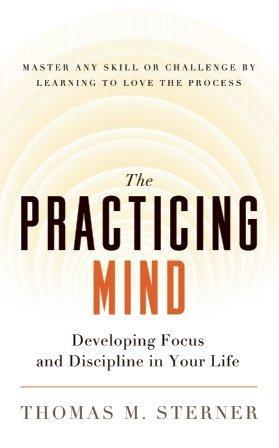
Learning a musical instrument, mastering a sport, developing a meditation practice, or even completing daily tasks at work all share a common challenge: our minds resist the repetition and patience required for genuine growth. We live in a culture obsessed with results, constantly measuring ourselves against idealized endpoints while viewing the process of getting there as something to endure rather than enjoy. This fundamental misalignment creates anxiety, frustration, and the tendency to abandon our goals before we've given them a genuine chance to flourish.
At the heart of this transformative guide lies a deceptively simple yet profoundly liberating concept: shifting focus from product to process, from destination to journey, from future achievement to present-moment engagement. Drawing from personal experience as a piano technician who spent decades observing how people learn and practice, combined with insights from Eastern philosophy and sports psychology, this work presents a practical framework for approaching any activity with greater ease, efficiency, and enjoyment.
The central premise challenges our culturally conditioned belief that struggle and strain are necessary components of improvement. Instead, readers discover how cultivating a process-oriented mindset—what might be called "the practicing mind"—dissolves the mental resistance that makes learning feel difficult. When we stop judging our current performance against an imagined future state and simply attend to what we're doing right now, something remarkable happens: effort becomes effortless, time passes without the painful awareness of watching the clock, and skills develop naturally through patient, present-focused repetition.
Read more ▼
Conscious Ink : the Hidden Meaning of Tattoos
Lisa Barretta
Martin Elias Pete Seligman

Shauna L. Shapiro
Five Steps to Overcoming Fear and Self Doubt
Wyatt Webb
The quest for happiness often leads to frustration, as many fail to realize that the...

Reaching sixty can evoke complex emotions, blending relief with ongoing ambition. This...

The quest for life's purpose often leads to unsatisfactory answers. This article...

Romantic love is a complex emotion shaped by historical, cultural, and biological...

Imagine going through one of the most physically and emotionally demanding experiences...

Daily actions often conflict with personal beliefs due to past experiences. By utilizing...

Have you ever argued over something that wasn't actually said? From cultural differences...

Therapists often use dream interpretation to delve into patients' emotions, but true...