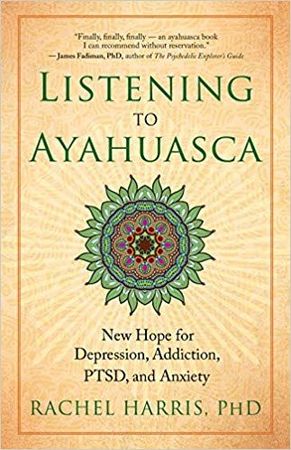

Ayahuasca, the powerful plant medicine from the Amazon, has moved from the jungle into contemporary Western life, where thousands of people are now seeking its transformative potential. What happens when modern seekers drink this ancient brew? How do everyday people integrate profound visionary experiences into their regular lives? These questions form the foundation of a groundbreaking investigation that bridges indigenous wisdom and contemporary psychology.
Through interviews with dozens of Westerners who have worked with ayahuasca, a fascinating portrait emerges of how this medicine can catalyze deep personal transformation. These aren't tales of spiritual tourists seeking exotic thrills, but rather accounts from therapists, lawyers, teachers, artists, and other professionals who approached the medicine with intention and respect. Their stories reveal patterns of healing, insight, and growth that challenge conventional understanding of consciousness and human potential.
The exploration begins with the basics: what ayahuasca is, how it works in the brain, and the traditional contexts in which it has been used for centuries by indigenous peoples. This foundation proves essential for understanding how the medicine functions as more than just a hallucinogen. The brew combines specific plants that create a unique neurochemical effect, opening doorways to non-ordinary states of consciousness that many describe as profoundly healing and revelatory.
One of the most compelling aspects covered involves the therapeutic potential of these experiences. Participants report breakthroughs with long-standing psychological issues, including depression, anxiety, addiction, and trauma. The medicine seems to work differently than conventional therapy, offering direct experiential insight rather than merely intellectual understanding. People describe meeting their fears face-to-face, processing grief that had been locked away for decades, and discovering roots of behavioral patterns they'd struggled with for years.
Beyond psychological healing, the accounts reveal a consistent theme of spiritual awakening. Participants describe encounters with what they perceive as intelligent presences, receiving guidance, and experiencing profound states of unity consciousness. Many report a renewed sense of connection to nature, a deeper understanding of their life purpose, and a shift in values away from materialism toward meaning and service. These spiritual dimensions don't exist separately from the psychological healing but seem intimately intertwined with it.
The investigation doesn't shy away from challenges and difficulties. Integration proves to be a critical phase that many participants underestimate. Bringing extraordinary insights back into ordinary life requires skill, support, and sustained effort. Some people struggle with how to talk about their experiences with friends and family who don't share their frame of reference. Others grapple with the tension between the values revealed in ceremony and the demands of conventional career and lifestyle.
Important attention is given to the question of safety and discernment. As ayahuasca gains popularity, concerns arise about unqualified facilitators, exploitative practices, and people approaching the medicine without adequate preparation or support. Guidance is offered on how to evaluate facilitators, prepare properly for ceremonies, and create conditions for safe and beneficial experiences. The legal status of ayahuasca in various countries is also explored, along with the religious freedom issues involved.
The feminine nature of the plant spirit known as "Mother Ayahuasca" receives thoughtful consideration. Many participants describe the medicine as having a distinctly maternal quality—sometimes nurturing and comforting, sometimes stern and demanding. This feminine presence offers a counterbalance to masculine-dominated spirituality and seems to facilitate particular types of emotional healing and relational understanding.
Perhaps most valuable are the practical frameworks offered for making sense of these experiences. Drawing on transpersonal psychology, the work helps readers understand non-ordinary states without either dismissing them as mere hallucinations or accepting every vision as literal truth. This balanced perspective empowers people to extract genuine wisdom from their experiences while maintaining critical thinking and grounding in consensus reality.
For anyone curious about plant medicine, seeking deeper self-understanding, or exploring alternatives to conventional approaches to healing and growth, this investigation offers an invaluable map of unfamiliar territory. It speaks to our contemporary hunger for authentic spiritual experience while honoring both ancient wisdom and modern psychological understanding.