
Happiness & Success
Achieving Happiness Through Acceptance of Life
The quest for happiness often leads to frustration, as many fail to realize that the...








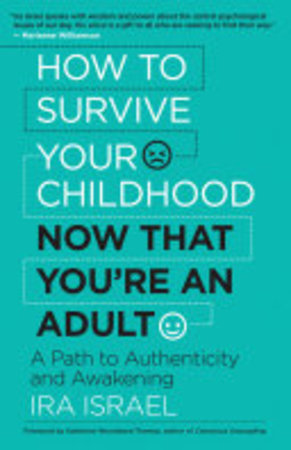
Many of us carry invisible wounds from our formative years that continue to shape our adult relationships in ways we don't fully understand. These early experiences create patterns of behavior, emotional responses, and relational dynamics that can sabotage our connections with romantic partners, friends, family members, and colleagues. Understanding how childhood experiences influence our present-day relationships offers a pathway to healing and transformation that can fundamentally change the quality of our connections with others.
This comprehensive guide explores the psychological mechanisms that link our past to our present, offering readers a compassionate yet clear-eyed examination of how early attachment styles, family dynamics, and childhood traumas manifest in adult relationships. Drawing from decades of clinical experience and integrating insights from psychology, neuroscience, and mindfulness practices, the material presented helps readers identify the unconscious patterns that may be preventing them from experiencing the deep, authentic connections they desire.
At the heart of this exploration is the recognition that we all develop coping mechanisms in childhood that once served to protect us but may now limit our capacity for intimacy and vulnerability. Whether through people-pleasing behaviors, emotional withdrawal, excessive self-reliance, or anxious attachment, these adaptive strategies often create the very relationship problems we most want to avoid. By bringing awareness to these patterns, readers gain the power to make different choices and respond to relationship challenges with greater consciousness and intention.
Read more ▼
Understanding Ruptured Mother-Daughter Relationships
Khara Croswaite Brindle

The Conspiracy Against Childhood
Eda J. Le Shan
Designing the Compassionate City
Jenny Donovan
Ram Dass
The quest for happiness often leads to frustration, as many fail to realize that the...

Reaching sixty can evoke complex emotions, blending relief with ongoing ambition. This...

The quest for life's purpose often leads to unsatisfactory answers. This article...

Romantic love is a complex emotion shaped by historical, cultural, and biological...

Imagine going through one of the most physically and emotionally demanding experiences...

Daily actions often conflict with personal beliefs due to past experiences. By utilizing...

Have you ever argued over something that wasn't actually said? From cultural differences...

Therapists often use dream interpretation to delve into patients' emotions, but true...