
Happiness & Success
Achieving Happiness Through Acceptance of Life
The quest for happiness often leads to frustration, as many fail to realize that the...








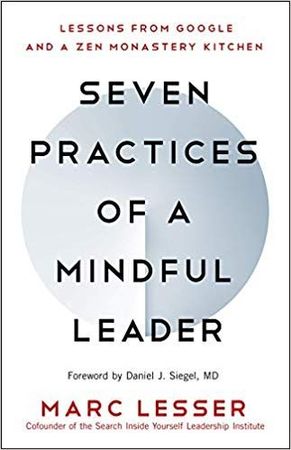
Mindfulness and leadership might seem like an unusual pairing at first glance, yet their integration offers a revolutionary approach to navigating the complexities of modern work and life. Drawing from decades of experience in both Zen practice and corporate leadership, this transformative guide presents seven essential practices that bridge the gap between contemplative wisdom and effective action in the world.
At the heart of this approach lies a fundamental recognition: the same qualities that make someone an exceptional leader—clarity, compassion, focus, and resilience—are cultivated through mindfulness practice. Rather than treating meditation as something separate from daily responsibilities, these practices demonstrate how awareness and presence can be woven into every interaction, decision, and challenge faced throughout the day.
The seven practices introduced here are not abstract concepts but practical, accessible tools that anyone can implement immediately. They begin with the foundational practice of loving one's work, which transforms the relationship between effort and fulfillment. This isn't about forcing positive thinking onto difficult situations, but rather discovering how to show up fully for whatever presents itself, finding meaning and purpose even in mundane tasks. When work becomes a practice ground for awareness rather than merely a means to an end, both performance and satisfaction increase dramatically.
Read more ▼
Jane Austen

Sanaya Roman

Stephan A. Schwartz

Lee Lozowick
The quest for happiness often leads to frustration, as many fail to realize that the...

Reaching sixty can evoke complex emotions, blending relief with ongoing ambition. This...

The quest for life's purpose often leads to unsatisfactory answers. This article...

Romantic love is a complex emotion shaped by historical, cultural, and biological...

Imagine going through one of the most physically and emotionally demanding experiences...

Daily actions often conflict with personal beliefs due to past experiences. By utilizing...

Have you ever argued over something that wasn't actually said? From cultural differences...

Therapists often use dream interpretation to delve into patients' emotions, but true...