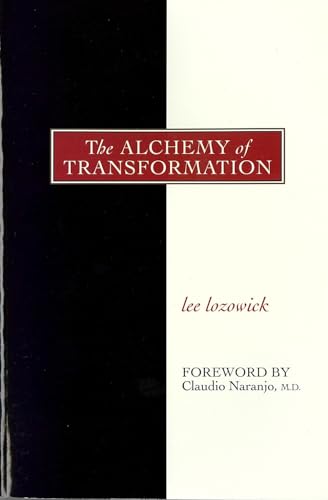

Spiritual transformation is one of humanity's most profound pursuits, yet it remains shrouded in mystery and misconception. This seminal work, published by Hohm Press in 1996, offers seekers a comprehensive roadmap for understanding and navigating the deepest dimensions of personal change. Rather than presenting transformation as a mystical concept reserved for the enlightened few, this exploration reveals it as an accessible, teachable process available to anyone willing to engage authentically with their own nature and potential.
At its core, this work addresses a fundamental paradox that has puzzled spiritual seekers for centuries: how can we fundamentally change ourselves when it is we ourselves who must do the changing? The text delves into this seemingly impossible contradiction by drawing upon diverse wisdom traditions, psychological insights, and practical spiritual principles. Readers will discover that genuine transformation requires more than intellectual understanding or momentary inspiration; it demands sustained engagement with reality as it actually exists, coupled with rigorous self-examination and the willingness to release deeply held patterns that no longer serve growth.
The exploration begins by establishing what authentic transformation actually means, distinguishing it from the superficial self-improvement that dominates contemporary culture. Many people pursue personal development hoping to become better versions of themselves while remaining fundamentally unchanged. This work challenges that comfortable illusion, explaining why real transformation necessarily involves a kind of death—the death of false identities, cherished illusions, and familiar ways of relating to the world. This perspective may initially seem discouraging, but it ultimately proves liberating, as readers understand that true freedom emerges only when we release our grip on who we thought we were.
Throughout these pages, the reader encounters practical frameworks for understanding the obstacles that prevent transformation. These obstacles are not external; they arise from the very structure of human consciousness and the defensive mechanisms we develop to protect ourselves from pain and uncertainty. By examining these protective patterns with compassion rather than judgment, readers gain insight into why change feels so difficult and why conventional approaches to self-improvement often fail. The text illuminates how our personality structures, while once protective and necessary, eventually become prisons if we don't consciously evolve beyond them.
One of the most valuable contributions this work offers is its exploration of the relationship between consciousness and change. True transformation occurs not through willpower or determination alone, but through shifts in awareness and perception. Readers will learn how expanding consciousness allows them to observe their patterns and habits without being completely identified with them. This subtle but crucial distinction creates the psychological space necessary for genuine change. When we are no longer entirely merged with our habitual responses, we gain the freedom to choose differently.
The text also addresses the role of grace and effort in transformation. Rather than promoting either passivity or relentless striving, this balanced perspective shows how transformation emerges at the intersection of determined human effort and openness to forces beyond our individual control. This paradoxical understanding helps readers avoid both the trap of spiritual materialism—treating transformation as another achievement to acquire—and the passivity of waiting for salvation or enlightenment to be granted without personal participation.
For those committed to genuine personal development, this work offers essential guidance on creating the conditions necessary for deep transformation. Readers will discover specific practices, attitudes, and orientations that catalyze change, along with honest acknowledgment of why maintaining these practices remains eternally challenging. The exploration does not promise easy answers or quick fixes; instead, it respects the intelligence and sincerity of spiritual seekers by offering profound truths that require careful consideration and sustained application.
Ultimately, this exploration matters because it bridges the gap between the promise of spiritual development and the lived reality of those pursuing it. By offering both inspiration and practical wisdom, it serves as an invaluable companion for anyone genuinely committed to transformation.