
Happiness & Success
Achieving Happiness Through Acceptance of Life
The quest for happiness often leads to frustration, as many fail to realize that the...









Living with chronic pain can feel like inhabiting a prison of isolation, where the constant physical discomfort becomes intertwined with layers of emotional suffering, fear, and disconnection from life itself. What begins as a physical sensation often evolves into a complex psychological landscape where anxiety about the future, resistance to the present moment, and grief over lost capacities create additional dimensions of suffering that can feel even more overwhelming than the original pain.
This groundbreaking exploration offers a radically different approach to chronic pain—one that moves beyond the conventional medical model's focus on elimination and cure to embrace a more holistic understanding of pain as a multifaceted human experience. Rather than positioning pain as an enemy to be defeated or a problem to be solved through willpower alone, readers discover how to develop a transformative relationship with their pain that acknowledges its reality while reducing the layers of psychological suffering that often compound physical discomfort.
At the heart of this approach lies the powerful practice of mindfulness, specifically adapted for those navigating the challenges of persistent pain. Readers learn how present-moment awareness can create space between themselves and their pain, allowing them to observe sensations without becoming completely identified with them. This shift in perspective doesn't eliminate pain, but it fundamentally changes how pain is experienced and processed, opening pathways to greater peace and functioning even when physical symptoms persist.
Read more ▼
Beyond vengeance, beyond duality
Sylvia Clute
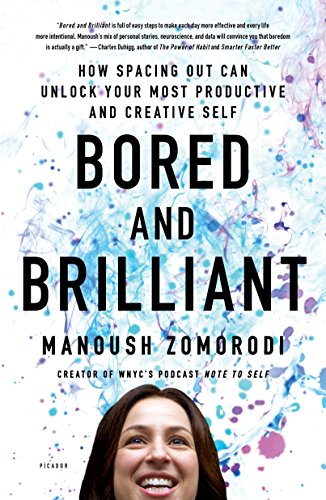
Manoush Zomorodi
Transforming negative self-talk
Steve Andreas
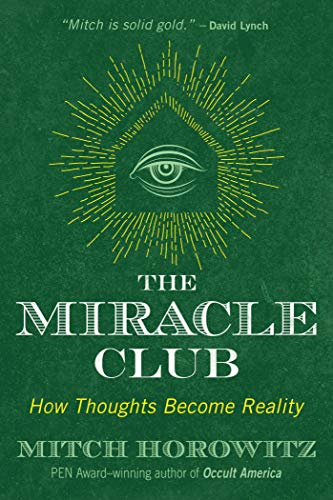
The Miracle Club: How Thoughts Become Reality
Mitch Horowitz
The quest for happiness often leads to frustration, as many fail to realize that the...

Reaching sixty can evoke complex emotions, blending relief with ongoing ambition. This...

The quest for life's purpose often leads to unsatisfactory answers. This article...

Romantic love is a complex emotion shaped by historical, cultural, and biological...

Imagine going through one of the most physically and emotionally demanding experiences...

Daily actions often conflict with personal beliefs due to past experiences. By utilizing...

Have you ever argued over something that wasn't actually said? From cultural differences...

Therapists often use dream interpretation to delve into patients' emotions, but true...