




Happiness & Success
Achieving Happiness Through Acceptance of Life
The quest for happiness often leads to frustration, as many fail to realize that the...








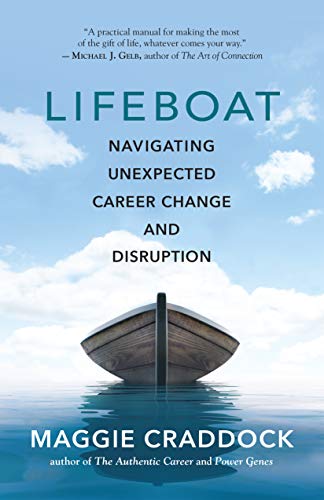
When workplace dynamics feel like treacherous waters threatening to pull you under, understanding how to navigate professional relationships becomes not just a career skill but a matter of psychological survival. This groundbreaking exploration into workplace psychology reveals how the corporate environment often mirrors the primal dynamics of survival situations, where personality types, power struggles, and human instincts collide in ways that can either support your growth or systematically undermine it.
Drawing on decades of executive coaching experience and psychological insight, this work illuminates the hidden patterns that govern workplace behavior and offers readers a lifeline for maintaining their authenticity and emotional well-being in challenging professional environments. The central metaphor proves surprisingly apt: just as passengers in a lifeboat must navigate limited resources, competing agendas, and the stress of uncertain outcomes, employees in modern organizations face similar psychological pressures that bring out both the best and worst in human nature.
What makes this approach revolutionary is its unflinching examination of how corporate cultures can unconsciously recreate dysfunctional family dynamics, complete with authoritarian parent figures, rebellious siblings, scapegoats, and golden children. Readers discover how to identify these patterns in their own workplaces and, more importantly, how to avoid getting trapped in roles that don't serve their authentic selves or professional aspirations. The framework provided helps decode confusing workplace situations where logic seems absent and emotions run high, revealing the underlying psychological currents that truly drive organizational behavior.
Read more ▼
The quest for happiness often leads to frustration, as many fail to realize that the...

Reaching sixty can evoke complex emotions, blending relief with ongoing ambition. This...

The quest for life's purpose often leads to unsatisfactory answers. This article...

Romantic love is a complex emotion shaped by historical, cultural, and biological...

Imagine going through one of the most physically and emotionally demanding experiences...

Daily actions often conflict with personal beliefs due to past experiences. By utilizing...

Have you ever argued over something that wasn't actually said? From cultural differences...

Therapists often use dream interpretation to delve into patients' emotions, but true...