

Happiness & Success
Achieving Happiness Through Acceptance of Life
The quest for happiness often leads to frustration, as many fail to realize that the...








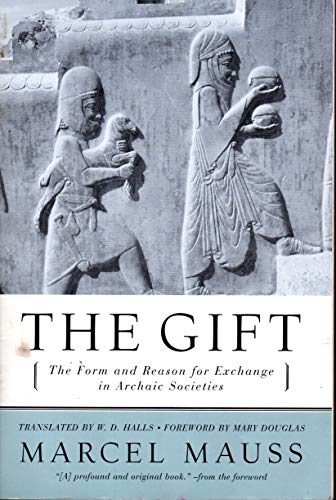
At the heart of human civilization lies a profound paradox: we are simultaneously individual and collective beings, and nowhere is this tension more beautifully resolved than in the simple yet revolutionary act of giving. This groundbreaking anthropological work reveals how gift exchange forms the invisible architecture of human relationships, community bonds, and personal identity across cultures and throughout history.
Drawing on extensive research from indigenous societies in Polynesia, Melanesia, and the Pacific Northwest, as well as ancient Roman and Hindu traditions, this seminal work demonstrates that gifts are never truly "free." Every gift carries with it an obligation to receive, to reciprocate, and to maintain the sacred bond between giver and receiver. This is not a cynical observation but rather an illuminating insight into how human beings create and sustain meaningful connections. The obligation embedded in gift exchange is not a burden but rather the very mechanism through which we weave ourselves into the social fabric and establish our place in the world.
For readers seeking personal empowerment and deeper understanding of their relationships, these insights offer transformative potential. We live in a market economy where nearly everything is reduced to monetary transactions, where impersonal exchanges have largely replaced the rich tapestry of reciprocal relationships that once defined human interaction. Understanding the principles of gift exchange can revolutionize how we approach our personal and professional relationships, revealing that true wealth lies not in accumulation but in circulation, not in holding but in giving.
Read more ▼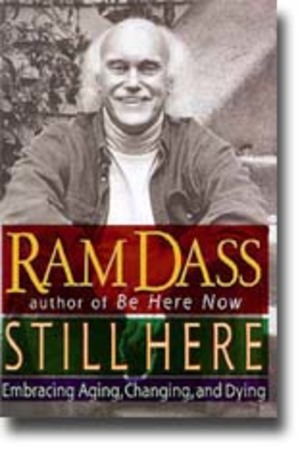
Ram Dass.
Anuradha Dayal-Gulati

Goswami Kriyananda
The quest for happiness often leads to frustration, as many fail to realize that the...

Reaching sixty can evoke complex emotions, blending relief with ongoing ambition. This...

The quest for life's purpose often leads to unsatisfactory answers. This article...

Romantic love is a complex emotion shaped by historical, cultural, and biological...

Imagine going through one of the most physically and emotionally demanding experiences...

Have you ever argued over something that wasn't actually said? From cultural differences...

Daily actions often conflict with personal beliefs due to past experiences. By utilizing...

Therapists often use dream interpretation to delve into patients' emotions, but true...