
Happiness & Success
Achieving Happiness Through Acceptance of Life
The quest for happiness often leads to frustration, as many fail to realize that the...








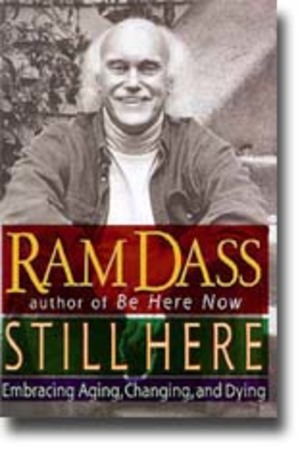
A massive stroke can feel like the ultimate betrayal of the body, particularly for someone who has spent decades teaching about consciousness, awareness, and spiritual practice. When such a profound physical crisis strikes a beloved spiritual teacher, the experience becomes a crucible for examining everything previously taught and believed about presence, acceptance, and the nature of suffering. This deeply personal account explores what happens when spiritual philosophy meets the harsh reality of physical limitation, dependency, and the fear of losing one's identity.
The journey begins in 1997, when a severe stroke fundamentally altered the life of a man who had spent years traveling the world, offering teachings and embodying a particular kind of freedom. Suddenly unable to walk without assistance, struggling with speech, and facing the loss of independence, the question becomes: Can all those years of spiritual practice actually sustain someone through genuine crisis? Is equanimity possible when the body refuses to cooperate? Can aging and illness become part of the path rather than obstacles to it?
What emerges is a raw, honest exploration of the intersection between spiritual ideals and messy human reality. Rather than offering platitudes or pretending that practice makes everything easy, these pages reveal the frustration, anger, and grief that arise when confronting serious disability. There's no spiritual bypassing here, no pretense that meditation alone can dissolve the challenges of needing help to dress, struggling to communicate clearly, or feeling trapped in a body that no longer responds as it once did.
Read more ▼
Alcoholics Anonymous
C. Pierce Salguero

Toni Morrison
Manoush Zomorodi
The quest for happiness often leads to frustration, as many fail to realize that the...

Reaching sixty can evoke complex emotions, blending relief with ongoing ambition. This...

The quest for life's purpose often leads to unsatisfactory answers. This article...

Imagine going through one of the most physically and emotionally demanding experiences...

Romantic love is a complex emotion shaped by historical, cultural, and biological...

Daily actions often conflict with personal beliefs due to past experiences. By utilizing...

Have you ever argued over something that wasn't actually said? From cultural differences...

Therapists often use dream interpretation to delve into patients' emotions, but true...