

Happiness & Success
Achieving Happiness Through Acceptance of Life
The quest for happiness often leads to frustration, as many fail to realize that the...








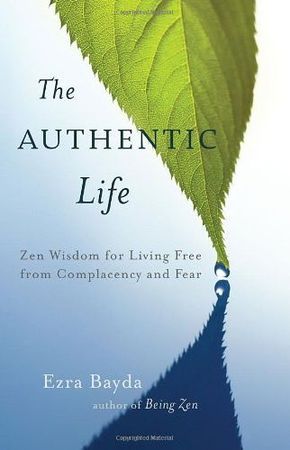
Living authentically represents one of life's greatest challenges and most profound rewards. Many people spend years, even decades, following paths that feel disconnected from their true nature, driven by conditioning, fear, and the relentless pressure to meet others' expectations. Breaking free from these patterns requires more than positive thinking or superficial changes—it demands a fundamental shift in how we relate to ourselves and our experience.
At the heart of genuine transformation lies the practice of awareness. By learning to observe our habitual reactions, deeply ingrained beliefs, and the stories we tell ourselves about who we are, we create space for something new to emerge. This isn't about becoming a different person or achieving some ideal version of ourselves. Rather, it's about removing the layers of protection, pretense, and self-deception that prevent us from living with presence and honesty.
Fear stands as perhaps the greatest obstacle to authentic living. We fear rejection, failure, vulnerability, and the unknown territory that opens when we stop hiding behind familiar defenses. These fears operate largely unconsciously, shaping our choices and limiting our lives in ways we rarely recognize. Understanding how fear manifests—not just in obvious anxiety but in anger, judgment, and the constant need for control—becomes essential work for anyone committed to personal freedom.
Read more ▼
Ashley Montagu

Cynthia Legette Davis
M. J. Ryan
The quest for happiness often leads to frustration, as many fail to realize that the...

Reaching sixty can evoke complex emotions, blending relief with ongoing ambition. This...

The quest for life's purpose often leads to unsatisfactory answers. This article...

Imagine going through one of the most physically and emotionally demanding experiences...

Romantic love is a complex emotion shaped by historical, cultural, and biological...

Daily actions often conflict with personal beliefs due to past experiences. By utilizing...

Have you ever argued over something that wasn't actually said? From cultural differences...

Therapists often use dream interpretation to delve into patients' emotions, but true...