




Happiness & Success
Achieving Happiness Through Acceptance of Life
The quest for happiness often leads to frustration, as many fail to realize that the...








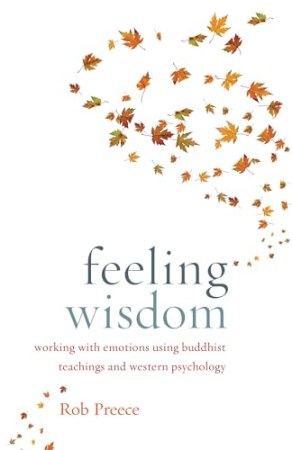
Emotions are not obstacles to overcome on the spiritual path—they are gateways to profound wisdom and awakening. This transformative work bridges ancient Buddhist psychology with contemporary Western therapeutic approaches, offering a revolutionary understanding of how our feelings can become vehicles for personal liberation and spiritual growth.
Drawing from decades of experience as both a psychotherapist and Buddhist practitioner, this exploration reveals how emotions contain essential intelligence that modern spiritual seekers often miss. Many people approach their spiritual practice hoping to transcend or eliminate difficult feelings, viewing anger, fear, jealousy, and sadness as impediments to enlightenment. Yet this perspective creates a fundamental split within ourselves, leading to spiritual bypassing and psychological fragmentation rather than genuine transformation.
The teachings presented here illuminate how Tibetan Buddhist wisdom traditions have long recognized the transformative potential hidden within our emotional landscape. Rather than suppressing or acting out our feelings, readers discover a middle path that honors emotions as messengers carrying vital information about our deepest needs, wounds, and untapped potential. This approach integrates the best of Eastern contemplative wisdom with insights from depth psychology, creating a holistic framework for working with the full spectrum of human experience.
Read more ▼
The quest for happiness often leads to frustration, as many fail to realize that the...

Reaching sixty can evoke complex emotions, blending relief with ongoing ambition. This...

The quest for life's purpose often leads to unsatisfactory answers. This article...

Romantic love is a complex emotion shaped by historical, cultural, and biological...

Imagine going through one of the most physically and emotionally demanding experiences...

Daily actions often conflict with personal beliefs due to past experiences. By utilizing...

Have you ever argued over something that wasn't actually said? From cultural differences...

Therapists often use dream interpretation to delve into patients' emotions, but true...