
Happiness & Success
Achieving Happiness Through Acceptance of Life
The quest for happiness often leads to frustration, as many fail to realize that the...








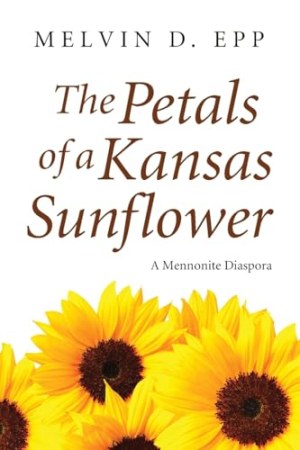
Discovering the threads that weave together a meaningful life often requires looking backward with honest eyes and a willing heart. Through a series of deeply personal reflections and memories, this collection invites readers into an intimate exploration of how childhood experiences, family dynamics, and formative relationships shape who we become and how we navigate the world.
Growing up in a Mennonite community in Kansas during the mid-twentieth century provides the rich cultural backdrop for these contemplative essays. The unique lens of this religious and cultural heritage offers insights that transcend any single tradition, speaking to universal questions about faith, identity, community, and belonging. Readers will encounter honest wrestling with theological questions, the tensions between individual desires and communal expectations, and the lifelong process of integrating inherited beliefs with personal experience.
At its core, this work examines the fundamental human need for connection and the various ways relationships sustain, challenge, and transform us. Family relationships receive particular attention, with moving portraits of parents, siblings, and extended family members who left indelible marks on one person's journey. These aren't idealized remembrances but rather honest assessments that acknowledge both gifts received and wounds carried forward. This balanced approach offers readers permission to hold their own family experiences with similar complexity, recognizing that the people who shaped us were themselves struggling, growing, and doing their best with the resources available to them.
Read more ▼
Mark Coleman
Feel the fear and do it anyway
Susan J. Jeffers
O'Connor, Richard Ph. D., Richard O'Connor, O'Connor, Richard (Psychotherapist)

Nicola Phoenix
The quest for happiness often leads to frustration, as many fail to realize that the...

Reaching sixty can evoke complex emotions, blending relief with ongoing ambition. This...

The quest for life's purpose often leads to unsatisfactory answers. This article...

Romantic love is a complex emotion shaped by historical, cultural, and biological...

Imagine going through one of the most physically and emotionally demanding experiences...

Have you ever argued over something that wasn't actually said? From cultural differences...

Daily actions often conflict with personal beliefs due to past experiences. By utilizing...

Therapists often use dream interpretation to delve into patients' emotions, but true...