
Happiness & Success
Achieving Happiness Through Acceptance of Life
The quest for happiness often leads to frustration, as many fail to realize that the...








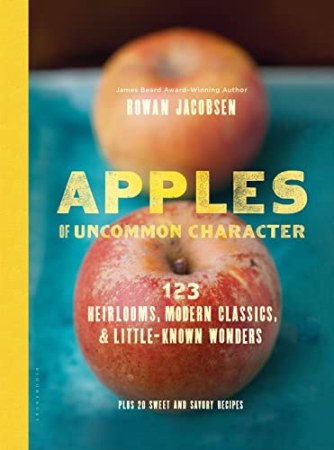
Journey into the forgotten world of heirloom apples and discover a profound meditation on biodiversity, authentic choice, and the power of individual action to preserve what matters most. This beautifully crafted exploration reveals how 17,000 named apple varieties once flourished across North America, yet today's commercial orchards have reduced our choices to fewer than a dozen common types. Through stunning photography and vivid descriptions, readers encounter the nearly lost treasures of our agricultural heritage while learning essential lessons about reclaiming genuine diversity in all aspects of life.
The narrative weaves together history, ecology, and personal transformation as it guides readers through the remarkable stories of rare and exceptional apple varieties. Each profile illuminates not just the fruit's flavor, appearance, and origins, but also the dedicated individuals who have chosen to preserve these living pieces of history. From the crisp, wine-like complexity of forgotten varieties to apples that taste of roses, pineapple, or vanilla, the sensory journey awakens readers to possibilities they never knew existed just beyond the uniform produce aisle.
What emerges is far more than a celebration of fruit. The exploration serves as a powerful metaphor for examining how we make choices in our own lives. Just as industrial agriculture pushed toward monoculture and uniformity, many aspects of modern existence have similarly narrowed our options, often without our conscious awareness. By understanding how we lost touch with this incredible diversity, readers gain insight into other areas where authentic choice has been quietly replaced by the illusion of variety. The same forces that reduced thousands of apple varieties to a handful of commercial types operate in media, culture, food systems, and lifestyle options.
Read more ▼
Pema Chödrön
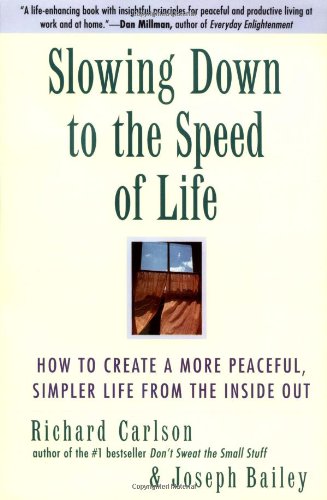
Slowing down to the speed of life
Richard Carlson, Josephy Bailey
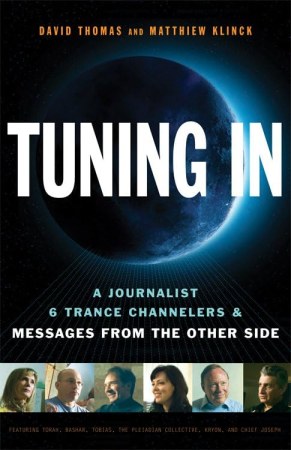
David Thomas

P. M. H. Atwater
The quest for happiness often leads to frustration, as many fail to realize that the...

Reaching sixty can evoke complex emotions, blending relief with ongoing ambition. This...

The quest for life's purpose often leads to unsatisfactory answers. This article...

Romantic love is a complex emotion shaped by historical, cultural, and biological...

Imagine going through one of the most physically and emotionally demanding experiences...

Daily actions often conflict with personal beliefs due to past experiences. By utilizing...

Have you ever argued over something that wasn't actually said? From cultural differences...

Therapists often use dream interpretation to delve into patients' emotions, but true...