

Happiness & Success
Achieving Happiness Through Acceptance of Life
The quest for happiness often leads to frustration, as many fail to realize that the...








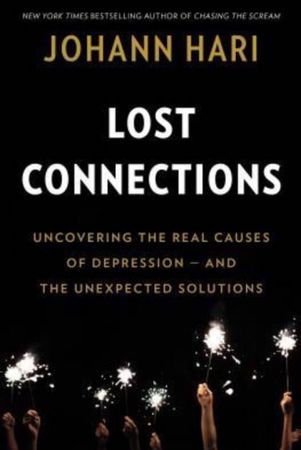
Depression and anxiety have become defining epidemics of our time, affecting hundreds of millions of people worldwide. The conventional wisdom suggests these conditions stem primarily from chemical imbalances in the brain, treatable mainly through pharmaceutical intervention. But what if this understanding represents only a fraction of a much larger, more complex picture? What if the roots of our collective despair reach far deeper into the soil of how we live, connect, and find meaning in modern life?
Through extensive research spanning multiple continents and conversations with leading social scientists, this work challenges readers to reconsider everything they thought they knew about depression and anxiety. Rather than viewing these conditions solely through a biological lens, it presents a revolutionary framework that identifies nine primary causes of depression and anxiety, only two of which are biological. The remaining seven are environmental and social, pointing toward fundamental disconnections in how we structure our lives and societies.
Readers will discover how disconnection from meaningful work transforms our daily existence into a source of psychological pain rather than fulfillment. The exploration reveals how the modern workplace, with its emphasis on control, repetition, and external motivation, systematically strips away the elements that give work meaning and purpose. This isn't simply about job satisfaction; it's about how spending the majority of our waking hours in unfulfilling circumstances fundamentally alters our mental health.
Read more ▼
Aliza Einhorn

Norman Vincent Peale

Daley, David (Editor-in-chief)
The quest for happiness often leads to frustration, as many fail to realize that the...

Reaching sixty can evoke complex emotions, blending relief with ongoing ambition. This...

The quest for life's purpose often leads to unsatisfactory answers. This article...

Romantic love is a complex emotion shaped by historical, cultural, and biological...

Imagine going through one of the most physically and emotionally demanding experiences...

Daily actions often conflict with personal beliefs due to past experiences. By utilizing...

Have you ever argued over something that wasn't actually said? From cultural differences...

Therapists often use dream interpretation to delve into patients' emotions, but true...