


Happiness & Success
Achieving Happiness Through Acceptance of Life
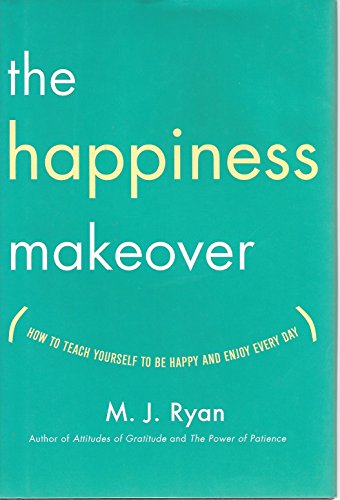
The quest for happiness often leads to frustration, as many fail to realize that the...








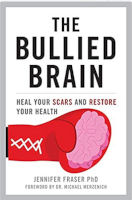
Neuroscience has revealed something profound about our brains: they are far more vulnerable to psychological harm than most of us ever imagined. When we experience sustained bullying, humiliation, or emotional abuse, the impact goes far beyond hurt feelings or damaged self-esteem. The brain itself undergoes measurable physical changes that can affect everything from memory and learning to emotional regulation and the ability to form healthy relationships.
Drawing on cutting-edge brain research and compelling real-world stories, this groundbreaking work reveals how bullying literally rewires neural pathways, damages the hippocampus, floods the brain with stress hormones, and can create lasting trauma responses that mirror those seen in combat veterans or survivors of severe physical abuse. For too long, psychological bullying has been dismissed as a normal part of growing up or simply the price of admission to competitive environments. We now know this perspective is dangerously wrong.
What makes this exploration particularly powerful is its relevance across multiple domains of life. Whether examining schoolyard dynamics, workplace cultures, athletic programs, or family systems, the same destructive patterns emerge. Targets of sustained emotional abuse develop heightened threat responses, struggle with concentration and memory, and often internalize the negative messages they receive. Meanwhile, those who witness bullying without intervening also experience measurable brain changes, as do the perpetrators themselves, whose capacity for empathy and emotional connection diminishes with each act of cruelty.
Read more ▼
The quest for happiness often leads to frustration, as many fail to realize that the...

Reaching sixty can evoke complex emotions, blending relief with ongoing ambition. This...

The quest for life's purpose often leads to unsatisfactory answers. This article...

Romantic love is a complex emotion shaped by historical, cultural, and biological...

Imagine going through one of the most physically and emotionally demanding experiences...

Daily actions often conflict with personal beliefs due to past experiences. By utilizing...

Have you ever argued over something that wasn't actually said? From cultural differences...

Therapists often use dream interpretation to delve into patients' emotions, but true...