
Happiness & Success
Achieving Happiness Through Acceptance of Life
The quest for happiness often leads to frustration, as many fail to realize that the...








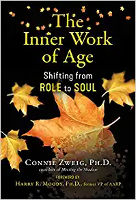
Aging is not merely a biological process of decline, but a profound psychological and spiritual journey that can lead to deeper wisdom, authenticity, and purpose. This groundbreaking work illuminates the hidden dimensions of growing older, revealing how the second half of life presents unprecedented opportunities for inner development and self-discovery that simply weren't available in our younger years.
Drawing on Jungian psychology, developmental theory, and contemplative practices, this exploration challenges the ageist assumptions that permeate modern culture. Rather than viewing aging as something to resist or deny, readers are invited to embrace it as a sacred passage that calls forth untapped potentials and offers pathways to psychological wholeness. The later decades of life emerge not as a period of diminishment, but as a time when we can finally integrate the shadow aspects of ourselves, heal longstanding wounds, and step into our most authentic expression.
The journey through these pages begins with recognizing the deep-seated cultural conditioning that shapes our attitudes toward aging. We live in a youth-obsessed society that treats growing older as a problem to be solved rather than a natural evolution to be honored. By becoming conscious of these internalized prejudices—what is termed "ageism from within"—readers can begin to liberate themselves from limiting beliefs and reimagine what's possible in their later years.
Read more ▼
Carl Cederström
Florence Williams

David R. Montgomery, David R. Montgomery, Anne Biklé
The quest for happiness often leads to frustration, as many fail to realize that the...

Reaching sixty can evoke complex emotions, blending relief with ongoing ambition. This...

The quest for life's purpose often leads to unsatisfactory answers. This article...

Romantic love is a complex emotion shaped by historical, cultural, and biological...

Imagine going through one of the most physically and emotionally demanding experiences...

Daily actions often conflict with personal beliefs due to past experiences. By utilizing...

Have you ever argued over something that wasn't actually said? From cultural differences...

Therapists often use dream interpretation to delve into patients' emotions, but true...