
Happiness & Success
Achieving Happiness Through Acceptance of Life
The quest for happiness often leads to frustration, as many fail to realize that the...








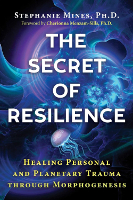
Trauma lives in the body, settling into our tissues, nervous system, and cellular memory long after the triggering events have passed. While talk therapy and cognitive approaches have their place in healing, they often fail to address the deep somatic imprints that keep us locked in patterns of reactivity, hypervigilance, and disconnection. A revolutionary approach to healing trauma recognizes that true resilience emerges not from willpower or positive thinking, but from addressing the body's inherent wisdom and its capacity for self-regulation and renewal.
Drawing from decades of clinical experience and research in somatic psychology, pre and perinatal psychology, and trauma resolution, this groundbreaking work illuminates how early developmental experiences shape our capacity for resilience throughout life. Beginning in the womb and extending through our earliest months and years, our nervous systems are profoundly influenced by the quality of support, attunement, and safety we receive. These primal experiences create templates that determine how we respond to stress, form relationships, and navigate challenges across our lifespan.
What makes this approach particularly powerful is its integration of multiple healing modalities into a cohesive framework that honors both scientific understanding and intuitive knowing. Readers discover how craniosacral therapy, a gentle hands-on method that works with the body's subtle rhythms, can help release deeply held trauma patterns that verbal therapies cannot reach. The work reveals how touch, when offered with skilled presence and respect for boundaries, becomes a profound catalyst for transformation, allowing the nervous system to complete interrupted defensive responses and return to states of ease and flow.
Read more ▼
100 Thoughts That Lead to Happiness
Len Chetkin

Change Your Mind and Your Life Will Follow
Karen Casey

White Deer of Autumn.
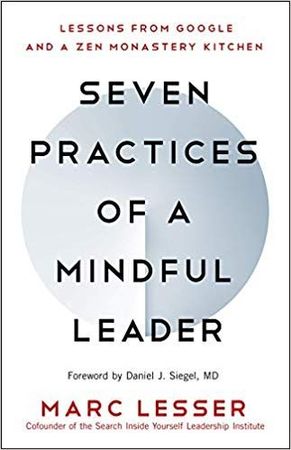
Seven Practices of a Mindful Leader
Marc Lesser
The quest for happiness often leads to frustration, as many fail to realize that the...

Reaching sixty can evoke complex emotions, blending relief with ongoing ambition. This...

The quest for life's purpose often leads to unsatisfactory answers. This article...

Romantic love is a complex emotion shaped by historical, cultural, and biological...

Imagine going through one of the most physically and emotionally demanding experiences...

Daily actions often conflict with personal beliefs due to past experiences. By utilizing...

Have you ever argued over something that wasn't actually said? From cultural differences...

Therapists often use dream interpretation to delve into patients' emotions, but true...