
Happiness & Success
Achieving Happiness Through Acceptance of Life
The quest for happiness often leads to frustration, as many fail to realize that the...








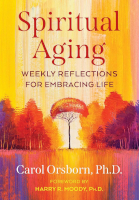
Getting older doesn't have to mean declining into irrelevance or diminishment. A revolutionary perspective emerges when we understand aging not as a defeat but as a sacred passage into life's most meaningful and transformative phase. By integrating ancient wisdom traditions with contemporary gerontology and depth psychology, a profound framework reveals how the second half of life can become a time of unprecedented spiritual growth, purpose, and authenticity.
Rather than fighting the natural process of aging with denial and resistance, there exists an alternative path that honors the unique developmental opportunities that emerge as we accumulate years and experiences. This approach recognizes that the challenges commonly associated with aging—loss, limitation, mortality awareness, and changing roles—are actually portals into deeper wisdom and spiritual maturity. When we shift our perspective from seeing aging as something to overcome to viewing it as a curriculum for the soul, everything changes.
Drawing from diverse spiritual traditions including Buddhism, Christianity, Judaism, and indigenous wisdom teachings, alongside cutting-edge research in gerontology and psychology, a comprehensive map emerges for navigating the terrain of later life with grace, purpose, and vitality. The journey involves learning to work with rather than against the natural transformations that occur in body, mind, and spirit as we age. This isn't about positive thinking or denying the real difficulties that can accompany aging. Instead, it offers tools for metabolizing life's experiences—both joyful and painful—into authentic wisdom.
Read more ▼
Julia Paulette Hollenbery

Sylvia Browne
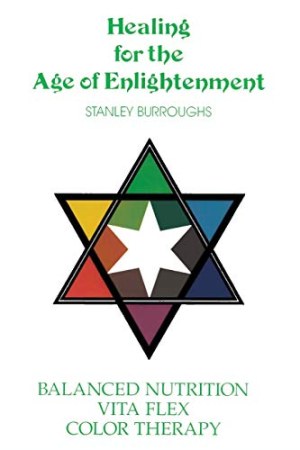
Healing for the Age of Enlightenment
Stanley Burroughs

Diane Budd
The quest for happiness often leads to frustration, as many fail to realize that the...

Reaching sixty can evoke complex emotions, blending relief with ongoing ambition. This...

The quest for life's purpose often leads to unsatisfactory answers. This article...

Romantic love is a complex emotion shaped by historical, cultural, and biological...

Imagine going through one of the most physically and emotionally demanding experiences...

Daily actions often conflict with personal beliefs due to past experiences. By utilizing...

Have you ever argued over something that wasn't actually said? From cultural differences...

Therapists often use dream interpretation to delve into patients' emotions, but true...