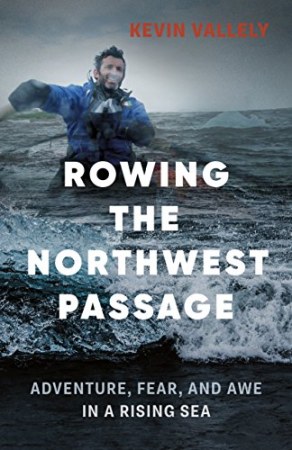




Imagine confronting one of Earth's most formidable frontiers armed with nothing but human-powered oars, unshakeable determination, and a crew willing to stake everything on an impossible dream. This remarkable account takes readers into the heart of an unprecedented Arctic expedition that sought to accomplish what had never been done before: rowing through the legendary Northwest Passage, a route that has claimed countless lives and defied explorers for centuries.
The narrative unfolds as both thrilling adventure chronicle and profound meditation on what it means to push beyond perceived limitations. At its core, this journey represents far more than geographic conquest. It stands as a testament to human resilience, the power of unwavering commitment, and the transformative potential that emerges when we dare to venture beyond our comfort zones into territories that test every fiber of our being.
Readers discover how meticulous preparation intersects with raw courage as the expedition team confronts Arctic waters, unpredictable weather patterns, and the psychological challenges of sustained physical exertion in one of the planet's harshest environments. The expedition becomes a crucible for personal transformation, where every stroke of the oars serves as both literal propulsion and metaphor for the incremental progress that defines all meaningful achievement.
What makes this account particularly resonant for those on a path of personal growth is its unflinching examination of fear, doubt, and the internal dialogues that either propel us forward or hold us captive. The Arctic landscape serves as mirror and teacher, reflecting back the mental barriers we construct and the surprising reservoirs of strength we discover when survival demands we transcend our self-imposed limitations. The isolation and extremity of the environment strip away pretense, leaving raw humanity confronting fundamental questions about purpose, mortality, and legacy.
The ecological dimension adds crucial depth and urgency to the narrative. The melting Arctic ice that made this rowing expedition possible stands as stark evidence of our changing planet. This environmental reality transforms the journey from personal challenge into a form of witness bearing, documenting climate change consequences in the most visceral terms possible. Readers gain perspective on how individual actions, whether rowing across an ocean or making daily choices, ripple outward with consequences we're only beginning to comprehend.
Team dynamics offer invaluable lessons for anyone navigating collaborative endeavors or seeking to understand group psychology under pressure. The expedition required absolute trust, clear communication, and the ability to manage conflict when exhaustion, cold, and danger amplified every interpersonal friction. These insights translate directly to leadership principles, relationship management, and the kind of emotional intelligence required for effective teamwork in any context.
The narrative also explores humanity's complicated relationship with wilderness and conquest. What does it mean to "conquer" nature in an era when nature itself faces existential threats? How do we honor the indigenous peoples who have navigated these waters for millennia while celebrating modern achievements? These questions invite readers into thoughtful reflection about cultural humility, historical awareness, and how we frame our accomplishments within larger contexts.
Physical endurance becomes a gateway to spiritual insight throughout the journey. The repetitive motion of rowing, the sensory deprivation and overload of Arctic conditions, and the sustained demand on body and will create conditions for transcendent experiences. Readers encounter moments of clarity that emerge from exhaustion, the unexpected beauty found in desolate landscapes, and the profound satisfaction that comes from doing hard things with full presence and commitment.
The expedition ultimately serves as an extended metaphor for any transformative journey. Whether readers dream of their own adventures or face challenges closer to home, the lessons resonate universally: preparation matters, but adaptability matters more; fear is inevitable but need not be paralyzing; community and individual strength are not opposites but complementary forces; and the destination, while important, pales beside the person we become through the journey itself.
This account offers readers both inspiration and practical wisdom for approaching their own frontiers with courage, consciousness, and commitment to something larger than personal glory.