
Happiness & Success
Achieving Happiness Through Acceptance of Life
The quest for happiness often leads to frustration, as many fail to realize that the...








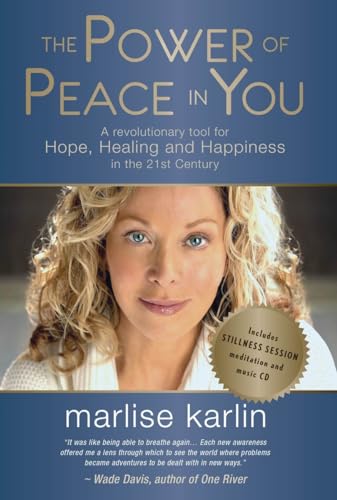
At the intersection of personal transformation and global change lies a profound truth: the peace we cultivate within ourselves ripples outward to touch every aspect of our lives, including how we engage with the complex political and social structures that shape our world. This revolutionary approach to inner work offers readers a practical pathway to access a state of profound peace that exists within each person, waiting to be discovered and activated.
The core premise challenges conventional thinking about peace itself. Rather than viewing peace as merely the absence of conflict or a distant ideal to be achieved through external circumstances, this work introduces peace as an inherent, accessible force that resides within every human being. This internal resource, once recognized and engaged, becomes a transformative tool capable of healing personal wounds, reshaping relationships, and ultimately influencing the broader social and political landscapes we navigate daily.
Readers are guided through a systematic exploration of what prevents most people from experiencing this inner peace in their everyday lives. The obstacles are familiar: stress, anxiety, past traumas, limiting beliefs, and the constant bombardment of information and demands that characterize twenty-first-century existence. Yet the solution offered goes beyond temporary stress relief or surface-level coping mechanisms. Instead, it presents a method for fundamentally shifting one's relationship with peace itself, making it not just a fleeting feeling but a grounded, sustainable state of being.
Read more ▼
How quantum activism can save civilization
Amit Goswami

Life Liberty and the Pursuit of Dao
Sam Crane

Smedley D. Butler

Gabriel Horn
The quest for happiness often leads to frustration, as many fail to realize that the...

Reaching sixty can evoke complex emotions, blending relief with ongoing ambition. This...

The quest for life's purpose often leads to unsatisfactory answers. This article...

Romantic love is a complex emotion shaped by historical, cultural, and biological...

Imagine going through one of the most physically and emotionally demanding experiences...

Have you ever argued over something that wasn't actually said? From cultural differences...

Daily actions often conflict with personal beliefs due to past experiences. By utilizing...

Therapists often use dream interpretation to delve into patients' emotions, but true...