
Happiness & Success
Achieving Happiness Through Acceptance of Life
The quest for happiness often leads to frustration, as many fail to realize that the...









Alzheimer's disease and dementia present some of the most challenging and heartbreaking experiences families can face, yet beneath the apparent tragedy lies a profound opportunity for spiritual growth, deeper understanding, and transformative healing. By examining these conditions through the lens of consciousness, energy medicine, and spiritual development, a revolutionary perspective emerges that offers hope, meaning, and empowerment to caregivers and loved ones navigating this difficult journey.
Rather than viewing cognitive decline solely as a medical catastrophe or the tragic loss of a person's essence, an alternative framework presents itself—one that recognizes the soul's continuing presence and purpose even as the physical mind deteriorates. This perspective draws from anthroposophical medicine, energy healing traditions, and an understanding of human consciousness that extends far beyond the material brain. Through this expanded view, dementia becomes not just a disease to be feared and fought, but a profound transition that can teach us about the nature of consciousness, identity, and what it truly means to be human.
Central to this transformative understanding is the recognition that individuals experiencing dementia are undergoing a spiritual process, a gradual withdrawal from physical incarnation that serves a purpose in their soul's evolution. Rather than being "lost" or "gone," these individuals are transitioning between states of consciousness, and maintaining connection with them requires developing new ways of perceiving and communicating that go beyond verbal and cognitive interactions. Caregivers and family members can learn to recognize the continuing presence of their loved one's essential self, even when conventional markers of personality and memory seem to fade.
Read more ▼
James Fadiman, Jordan Gruber
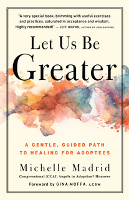
Michelle Madrid
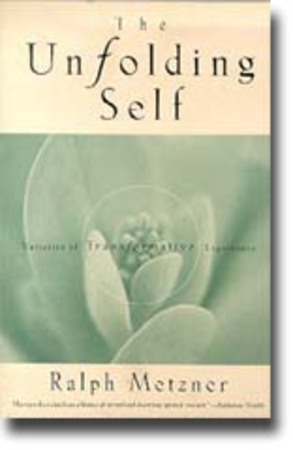
Ralph Metzner
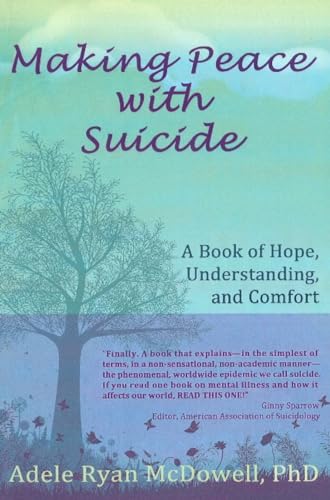
Adele Ryan McDowell
The quest for happiness often leads to frustration, as many fail to realize that the...

Reaching sixty can evoke complex emotions, blending relief with ongoing ambition. This...

The quest for life's purpose often leads to unsatisfactory answers. This article...

Romantic love is a complex emotion shaped by historical, cultural, and biological...

Imagine going through one of the most physically and emotionally demanding experiences...

Have you ever argued over something that wasn't actually said? From cultural differences...

Daily actions often conflict with personal beliefs due to past experiences. By utilizing...

Therapists often use dream interpretation to delve into patients' emotions, but true...