

Happiness & Success
Achieving Happiness Through Acceptance of Life
The quest for happiness often leads to frustration, as many fail to realize that the...









Few figures in human history carry the weight of universal condemnation quite like Judas Iscariot. Yet what happens when we dare to look beyond the simple story of betrayal and examine the humanity, complexity, and perhaps even the necessity of the one who betrayed Christ? This remarkable collection of poetry invites readers on a transformative journey into the psyche of history's most reviled figure, offering profound insights into betrayal, shame, forgiveness, and the nature of evil itself.
Through visceral and unflinching verse, readers encounter Judas not as a cardboard villain but as a fully realized consciousness grappling with guilt, motivation, and the impossible burden of his role in the divine narrative. The poems give voice to the voiceless, allowing the ultimate scapegoat to speak his truth, question his actions, and reveal the tormented inner life of someone forever defined by a single act. This approach creates an extraordinary opportunity for readers to examine their own capacity for betrayal, their relationship with guilt and shame, and the stories they tell themselves about their darkest moments.
The exploration goes far beyond religious commentary. These poems function as mirrors, reflecting back our own struggles with moral complexity, the times we have compromised our values, and the ways we live with choices we cannot undo. By humanizing Judas, the verses challenge readers to extend compassion even to those parts of themselves they find most unforgivable. This radical act of empathy becomes a doorway to profound personal transformation and emotional liberation.
Read more ▼
Jeremy David Engels
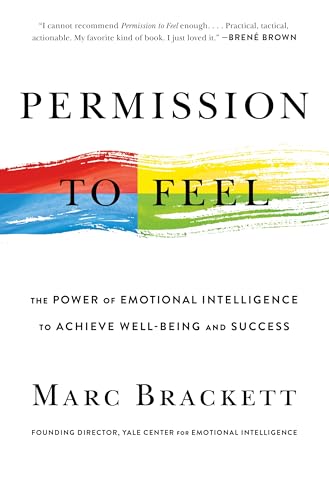
Marc Brackett

Rachel Carson
The quest for happiness often leads to frustration, as many fail to realize that the...

Reaching sixty can evoke complex emotions, blending relief with ongoing ambition. This...

The quest for life's purpose often leads to unsatisfactory answers. This article...

Romantic love is a complex emotion shaped by historical, cultural, and biological...

Imagine going through one of the most physically and emotionally demanding experiences...

Daily actions often conflict with personal beliefs due to past experiences. By utilizing...

Have you ever argued over something that wasn't actually said? From cultural differences...

Therapists often use dream interpretation to delve into patients' emotions, but true...