
Happiness & Success
Achieving Happiness Through Acceptance of Life
The quest for happiness often leads to frustration, as many fail to realize that the...








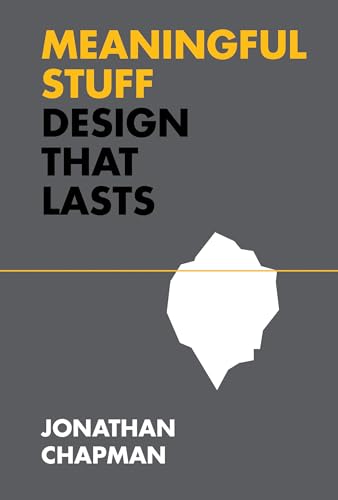
Our relationship with the objects that surround us reveals profound truths about who we are, what we value, and how we find meaning in an increasingly disposable world. This groundbreaking exploration delves into the emotional and psychological connections we form with our possessions, examining why certain things become treasured while others are discarded without a second thought. Through a unique blend of design theory, environmental psychology, and philosophical inquiry, readers are invited to reconsider everything they thought they knew about consumption, attachment, and the role of material goods in creating a fulfilling life.
At the heart of this work lies a revolutionary premise: the environmental crisis we face isn't primarily about what we consume, but about how quickly we discard what we own. By understanding the deeper dimensions of our relationships with objects, we can transform our patterns of acquisition and disposal, creating more sustainable lives while simultaneously enriching our emotional worlds. This approach offers a refreshing alternative to minimalism's stark aesthetics and consumerism's endless accumulation, proposing instead that we cultivate meaningful, lasting relationships with fewer, more carefully chosen possessions.
Readers will discover how objects become repositories of memory, identity, and connection. Through compelling case studies and real-world examples, the narrative explores how a worn leather jacket can embody years of adventure, how a grandmother's teacup can bridge generations, and how even mass-produced items can transcend their commercial origins to become deeply personal talismans. These insights illuminate the psychological mechanisms underlying attachment, revealing how our possessions serve as anchors for our stories, witnesses to our transformations, and physical manifestations of our values and aspirations.
Read more ▼
Thomas M. Sterner

Mihaly Csikszentmihalyi
The 7 habits of highly effective people
Stephen R. Covey, Sean Covey
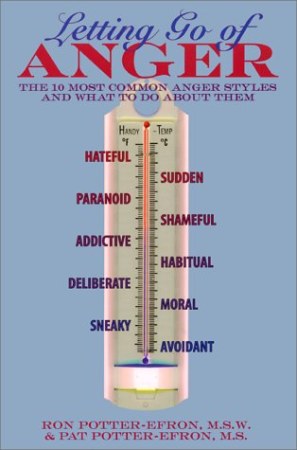
Ronald T. Potter-Efron
The quest for happiness often leads to frustration, as many fail to realize that the...

Reaching sixty can evoke complex emotions, blending relief with ongoing ambition. This...

The quest for life's purpose often leads to unsatisfactory answers. This article...

Imagine going through one of the most physically and emotionally demanding experiences...

Romantic love is a complex emotion shaped by historical, cultural, and biological...

Daily actions often conflict with personal beliefs due to past experiences. By utilizing...

Have you ever argued over something that wasn't actually said? From cultural differences...

Therapists often use dream interpretation to delve into patients' emotions, but true...