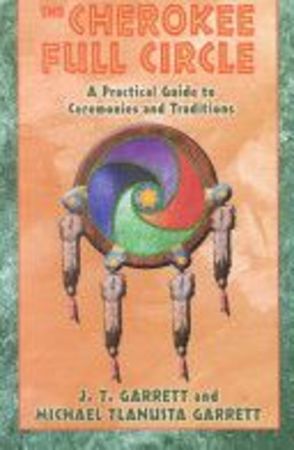

Ancient wisdom meets modern living in a profound exploration of Cherokee spiritual practices and traditional healing ways. Drawing from generations of Native American knowledge passed down through family lineages, this work presents a comprehensive guide to understanding and applying timeless principles that can transform contemporary life.
At the heart of this teaching lies the concept of the Medicine Wheel, a sacred circle representing the interconnectedness of all existence. Readers discover how this powerful symbol serves as a map for personal growth, healing, and spiritual development. The four directions—East, South, West, and North—each carry specific meanings, lessons, and energies that correspond to different aspects of human experience, from mental clarity to emotional balance, physical wellness to spiritual connection.
The journey begins with foundational Cherokee philosophy, introducing concepts that have sustained indigenous peoples for thousands of years. Universal Harmony, the idea that everything in creation is interconnected and interdependent, forms the basis for understanding how personal transformation ripples outward to affect families, communities, and the natural world. This perspective shifts readers away from the isolation and fragmentation common in modern society toward a holistic view of existence.
Central to the teachings presented is the Native American understanding of balance and wholeness. The number four appears repeatedly throughout Cherokee tradition—four directions, four seasons, four elements—representing completeness and the cyclical nature of life. Through practical exercises, stories, and ceremonies, readers learn to recognize where imbalance exists in their own lives and discover time-tested methods for restoring harmony.
The concept of the "Good Red Road" provides a path for walking through life with intention, integrity, and awareness. This spiritual journey isn't about perfection but about continuous growth, learning from mistakes, and maintaining connection to what matters most. Detailed guidance helps readers identify their current position on this path and take meaningful steps toward greater alignment with their authentic selves.
Traditional healing practices receive extensive attention, offering alternatives and complements to conventional approaches to wellness. These methods recognize that true healing must address the whole person—mind, body, spirit, and emotion. From the use of sacred plants and natural remedies to the power of ceremony and ritual, readers gain access to healing modalities that have proven effective across countless generations.
Storytelling emerges as both teaching method and healing tool throughout these pages. Cherokee stories carry layered meanings that speak to different aspects of consciousness, offering guidance that becomes clearer as understanding deepens. These narratives aren't merely entertainment but vessels of wisdom that have preserved essential knowledge through centuries of change and challenge.
Practical applications make ancient wisdom accessible for daily life. Simple ceremonies can be performed in any setting to mark transitions, seek guidance, or express gratitude. Meditation techniques rooted in indigenous practice help quiet the mind and open intuitive channels. Relationship-building exercises draw from Cherokee understanding of human connection and community responsibility.
The role of elders and the importance of intergenerational knowledge transmission receive thoughtful exploration. In a culture that often dismisses the wisdom of age, this perspective reminds readers of the invaluable gifts that come from honoring those who have walked the path before us. It also speaks to the responsibility each person carries to become an elder themselves—not merely in years but in wisdom, compassion, and service.
Environmental stewardship naturally flows from Cherokee spiritual principles. When humans recognize their place within the sacred circle of life rather than above it, care for the Earth becomes not an obligation but an expression of reverence and gratitude. This ecological consciousness feels especially relevant as modern society grapples with environmental crises.
Perhaps most powerfully, these teachings offer a framework for discovering personal purpose and living with greater meaning. The Medicine Wheel becomes a tool for self-discovery, helping readers identify their gifts, understand their challenges, and recognize their unique contribution to the greater whole. This isn't about adopting a foreign culture but about connecting with universal truths that transcend any single tradition while respecting the specific indigenous wisdom that has preserved them.