
Happiness & Success
Achieving Happiness Through Acceptance of Life
The quest for happiness often leads to frustration, as many fail to realize that the...









Disgust stands as one of our most powerful yet misunderstood emotions, shaping our lives in ways we rarely recognize or acknowledge. This groundbreaking exploration into the psychology and philosophy of disgust reveals how this primal feeling influences everything from our food choices and hygiene practices to our moral judgments and social interactions. By understanding the hidden mechanisms of disgust, readers gain profound insights into their own behavior patterns and unlock new pathways for personal growth and social awareness.
At its core, disgust evolved as a protective mechanism, keeping our ancestors safe from contamination, disease, and toxic substances. However, this ancient emotion has expanded far beyond its original biological function, seeping into virtually every aspect of human culture and consciousness. The examination presented here traces how disgust responses have been co-opted to police social boundaries, enforce moral codes, and even justify prejudice and discrimination. Understanding these mechanisms provides readers with powerful tools for self-examination and transformation.
One of the most valuable insights offered is the revelation of how malleable our disgust responses actually are. While we might assume our feelings of revulsion are natural and inevitable, they're largely learned through cultural conditioning and social influence. Different societies find different things disgusting, and what repulses one generation may be perfectly acceptable to the next. This understanding liberates readers from the tyranny of unexamined emotional reactions, opening space for conscious choice about which disgust responses serve wellbeing and which merely reinforce limiting beliefs or harmful biases.
Read more ▼
George Orwell
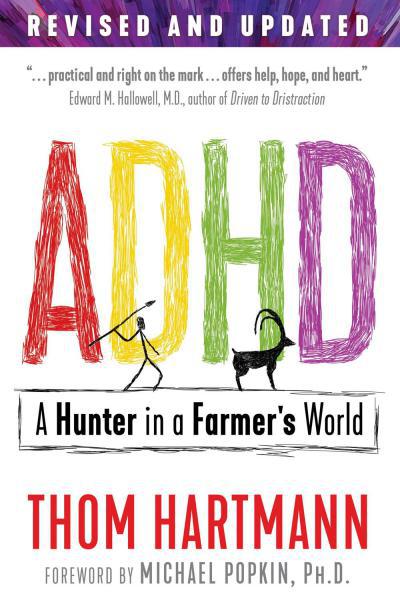
Thom Hartmann, Michael Popkin

The only way to... learn about tomorrow
Marion March

Aurelio Arreaza
The quest for happiness often leads to frustration, as many fail to realize that the...

Reaching sixty can evoke complex emotions, blending relief with ongoing ambition. This...

The quest for life's purpose often leads to unsatisfactory answers. This article...

Romantic love is a complex emotion shaped by historical, cultural, and biological...

Imagine going through one of the most physically and emotionally demanding experiences...

Daily actions often conflict with personal beliefs due to past experiences. By utilizing...

Have you ever argued over something that wasn't actually said? From cultural differences...

Therapists often use dream interpretation to delve into patients' emotions, but true...