
Happiness & Success
Achieving Happiness Through Acceptance of Life
The quest for happiness often leads to frustration, as many fail to realize that the...








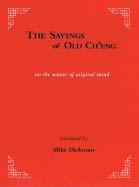
Deep within the tradition of Chinese martial arts lies a wealth of knowledge that transcends physical movement, offering pathways to profound healing, spiritual development, and inner transformation. This comprehensive guide opens the door to centuries-old wisdom, presenting translations and interpretations of classical texts that have shaped the understanding and practice of one of the world's most revered movement arts.
At the heart of this exploration stands the principle that true mastery emerges not from muscular strength or aggressive force, but from cultivating internal energy, developing heightened awareness, and achieving harmony between mind, body, and spirit. Drawing from rare classical documents, ancient songs, and time-honored treatises, readers gain access to teachings that were once closely guarded secrets, passed down only to dedicated disciples within family lineages and martial arts schools.
The material presented here bridges an essential gap between external form and internal substance. While many practitioners focus exclusively on learning postures and sequences, these classical teachings reveal that the deeper dimensions of practice involve understanding energy cultivation, breath work, mental intention, and the subtle mechanics of how internal force develops and flows through the body. Each translated passage offers layers of meaning, with detailed commentary that unpacks metaphorical language and explains concepts that might otherwise remain obscure to Western readers.
Read more ▼
Julie K. Silver

M.D. Frank H. Boehm

Goldstein, Martin
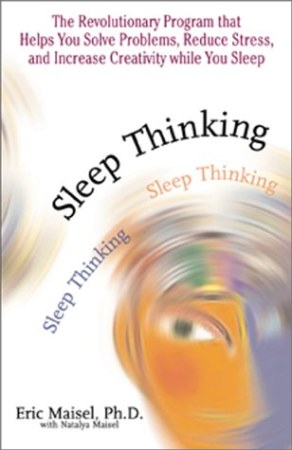
Eric Maisel
The quest for happiness often leads to frustration, as many fail to realize that the...

Reaching sixty can evoke complex emotions, blending relief with ongoing ambition. This...

The quest for life's purpose often leads to unsatisfactory answers. This article...

Romantic love is a complex emotion shaped by historical, cultural, and biological...

Imagine going through one of the most physically and emotionally demanding experiences...

Daily actions often conflict with personal beliefs due to past experiences. By utilizing...

Have you ever argued over something that wasn't actually said? From cultural differences...

Therapists often use dream interpretation to delve into patients' emotions, but true...