
Happiness & Success
Achieving Happiness Through Acceptance of Life
The quest for happiness often leads to frustration, as many fail to realize that the...









Menopause represents one of life's most profound transitions, yet Western culture has long treated it as a medical condition to be managed rather than a sacred passage to be honored. This groundbreaking guide reclaims menopause as a spiritual journey, offering women a framework for transforming this natural life transition into an opportunity for deep personal growth, empowerment, and spiritual awakening.
Drawing upon ancient wisdom traditions from cultures around the world that have long celebrated the passage into the crone years, this work presents seven ceremonial rites designed to help women navigate menopause with intention, grace, and reverence. Each rite addresses a different aspect of the menopausal experience, from the physical changes occurring in the body to the psychological shifts in identity, from the release of old patterns to the claiming of new power and purpose.
The approach integrates ritual, meditation, journaling exercises, and reflective practices that invite women to engage actively with their transformation rather than merely enduring it. By framing menopause as a rite of passage comparable to other major life transitions, the material encourages women to mark this time with celebration and consciousness. The seven rites create a structured pathway through the menopausal years, providing touchstones and ceremonies that acknowledge both the losses and the gains inherent in this passage.
Read more ▼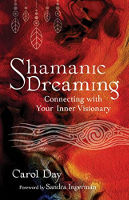
Carol Day, Sandra Ingerman
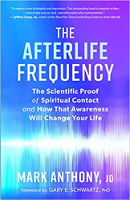
Mark Anthony, Gary E. Schwartz

Michael

Mona Sobhani
The quest for happiness often leads to frustration, as many fail to realize that the...

Reaching sixty can evoke complex emotions, blending relief with ongoing ambition. This...

The quest for life's purpose often leads to unsatisfactory answers. This article...

Romantic love is a complex emotion shaped by historical, cultural, and biological...

Imagine going through one of the most physically and emotionally demanding experiences...

Daily actions often conflict with personal beliefs due to past experiences. By utilizing...

Have you ever argued over something that wasn't actually said? From cultural differences...

Therapists often use dream interpretation to delve into patients' emotions, but true...