
Happiness & Success
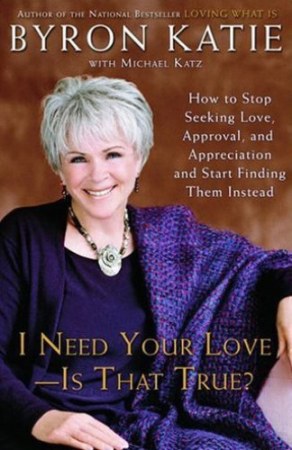
Achieving Happiness Through Acceptance of Life
The quest for happiness often leads to frustration, as many fail to realize that the...








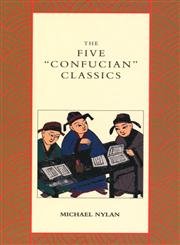
Ancient wisdom traditions offer profound insights for modern seekers navigating questions of purpose, ethics, and personal transformation. The classical texts that shaped Chinese civilization for over two millennia provide a remarkable foundation for understanding how to live with integrity, cultivate wisdom, and contribute meaningfully to society. These foundational works, often misunderstood or oversimplified in Western interpretations, reveal sophisticated philosophies about human nature, social relationships, personal cultivation, and the dynamic interplay between individual development and collective flourishing.
This scholarly examination opens up the rich intellectual world of five classical Chinese texts that formed the core curriculum for educated people across East Asia for centuries. Rather than presenting simplified summaries or romanticized versions, this work offers readers a nuanced understanding of how these texts were actually read, interpreted, and applied throughout history. The approach challenges many common assumptions about these classics, revealing their complexity, internal debates, and evolving meanings across different historical periods.
Readers embarking on this exploration will discover that these ancient texts are far more than dusty relics of the past. They represent living philosophical traditions that grappled with timeless questions about human potential, moral development, and the art of living well. Each classic addresses different dimensions of human experience, from understanding natural patterns and cosmic rhythms to navigating political challenges, from preserving cultural memory to expressing profound emotions through poetry, from establishing ethical principles to creating harmonious social structures.
Read more ▼
Bill Kovach
Mustafa Suleyman, Michael Bhaskar
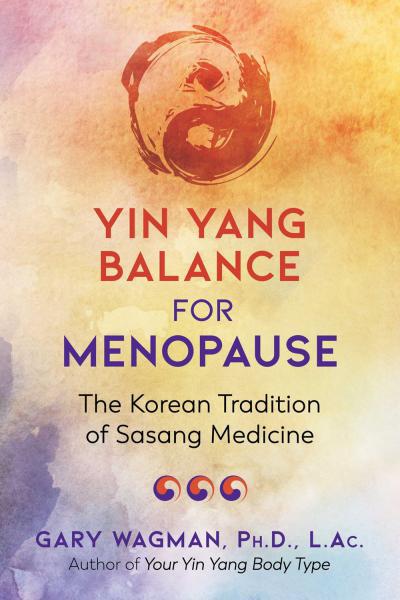
Yin Yang Balance for Menopause
Gary Wagman, Ann Louise Gittleman
The quest for happiness often leads to frustration, as many fail to realize that the...

Reaching sixty can evoke complex emotions, blending relief with ongoing ambition. This...

The quest for life's purpose often leads to unsatisfactory answers. This article...

Romantic love is a complex emotion shaped by historical, cultural, and biological...

Imagine going through one of the most physically and emotionally demanding experiences...

Have you ever argued over something that wasn't actually said? From cultural differences...

Daily actions often conflict with personal beliefs due to past experiences. By utilizing...

Therapists often use dream interpretation to delve into patients' emotions, but true...