
Happiness & Success
Achieving Happiness Through Acceptance of Life
The quest for happiness often leads to frustration, as many fail to realize that the...








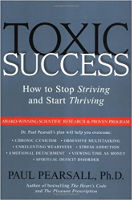
We live in a culture that worships achievement, celebrates busyness, and measures worth through accomplishments. Yet beneath the surface of our supposed successes, many people feel exhausted, disconnected, and spiritually depleted. This groundbreaking exploration challenges the very foundations of what modern society considers successful living, revealing how our relentless pursuit of more—more money, more status, more productivity—is actually poisoning our health, relationships, and souls.
Drawing on extensive research in psychoneuroimmunology, the study of how thoughts and emotions affect our immune system, this work presents compelling evidence that the stress-driven lifestyle celebrated in contemporary culture is literally making us sick. Heart disease, cancer, depression, anxiety disorders, and a host of other ailments can be traced directly to the toxic effects of our success-obsessed way of living. But rather than simply cataloging problems, this resource offers a revolutionary alternative path toward what is termed "sweet success"—a way of living that honors connection, meaning, and balance over endless striving and accumulation.
Readers will discover how the traditional markers of success—the corner office, the luxury car, the overflowing bank account—often come at devastating costs that remain hidden until crisis strikes. Through moving personal stories and clinical examples, the devastating toll of toxic success becomes vividly clear: families fractured by workaholism, health destroyed by chronic stress, and spirits diminished by the endless treadmill of achievement. Yet these cautionary tales serve not to discourage ambition but to redirect it toward more sustainable and genuinely fulfilling goals.
Read more ▼
Emmet Fox
Life Skills for the New Millennium
Paula Sunray

Our kids : the American Dream in crisis
Robert D. Putnam
The quest for happiness often leads to frustration, as many fail to realize that the...

Reaching sixty can evoke complex emotions, blending relief with ongoing ambition. This...

The quest for life's purpose often leads to unsatisfactory answers. This article...

Romantic love is a complex emotion shaped by historical, cultural, and biological...

Imagine going through one of the most physically and emotionally demanding experiences...

Have you ever argued over something that wasn't actually said? From cultural differences...

Daily actions often conflict with personal beliefs due to past experiences. By utilizing...

Therapists often use dream interpretation to delve into patients' emotions, but true...