
Happiness & Success
Achieving Happiness Through Acceptance of Life
The quest for happiness often leads to frustration, as many fail to realize that the...








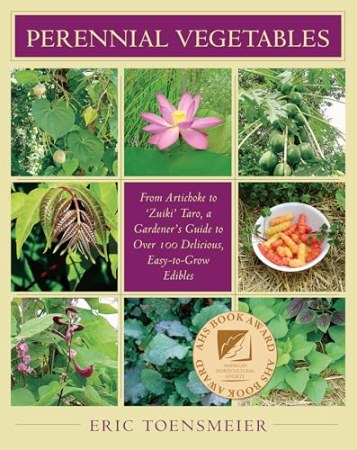
Imagine stepping into a garden where food grows year after year without replanting, where perennial crops return each season with minimal effort, and where cultivation becomes less about endless labor and more about working in harmony with nature's inherent abundance. This transformative guide opens the door to a revolutionary approach to growing food that challenges our cultural assumptions about gardening while offering a practical pathway toward greater self-sufficiency and environmental stewardship.
At its core, this comprehensive resource explores the world of perennial vegetables—crops that live for three years or more and continue producing food season after season. Unlike the annual vegetables that dominate most gardens and require yearly tilling, planting, and intensive management, perennial vegetables establish themselves once and then reward gardeners with harvests that can last decades. This fundamental shift in approach represents not just a different gardening technique, but a different philosophy of relating to the land and our food systems.
Readers will discover detailed profiles of over one hundred perennial vegetable species, many of which remain virtually unknown to contemporary gardeners despite their historical importance in various cultures around the world. From familiar plants like asparagus and artichokes to lesser-known treasures like sea kale, Turkish rocket, and groundnut, each profile provides essential information about cultivation requirements, hardiness zones, harvest techniques, and culinary uses. The diversity presented here demonstrates that perennial vegetables can thrive in virtually every climate and growing condition imaginable.
Read more ▼
Norman E. Rosenthal
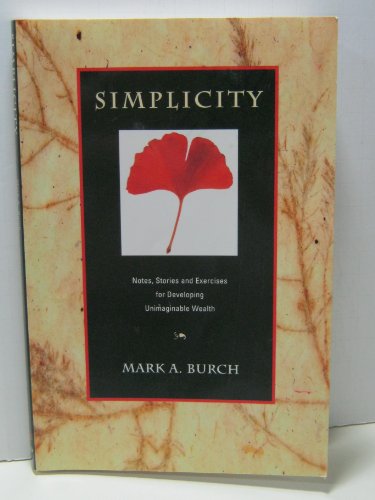
Mark A. Burch

Jan Price

David Alan Ramsdale, David and Ellen Ramsdale, Ellen Ramsdale, Allan Parker
The quest for happiness often leads to frustration, as many fail to realize that the...

Reaching sixty can evoke complex emotions, blending relief with ongoing ambition. This...

The quest for life's purpose often leads to unsatisfactory answers. This article...

Romantic love is a complex emotion shaped by historical, cultural, and biological...

Imagine going through one of the most physically and emotionally demanding experiences...

Have you ever argued over something that wasn't actually said? From cultural differences...

Daily actions often conflict with personal beliefs due to past experiences. By utilizing...

Therapists often use dream interpretation to delve into patients' emotions, but true...