
Happiness & Success
Achieving Happiness Through Acceptance of Life
The quest for happiness often leads to frustration, as many fail to realize that the...








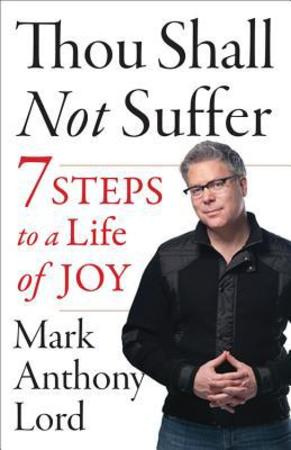
Suffering has long been accepted as an inevitable part of the human experience, woven into religious doctrine, philosophical traditions, and cultural narratives that span millennia. Yet what if this fundamental assumption about life's necessary hardships has been profoundly misunderstood? What if the pain and struggle we've been taught to endure, transcend, or offer up as spiritual currency is actually blocking our path to genuine enlightenment and joy?
A revolutionary examination of one of humanity's most deeply entrenched beliefs challenges readers to question everything they've been taught about pain, sacrifice, and the spiritual journey. Drawing from ancient wisdom traditions, contemporary psychology, and personal transformation work, this exploration reveals how misinterpretations of sacred texts and religious teachings have created a culture that glorifies suffering rather than liberation.
At the heart of this transformative work lies a startling reinterpretation of scriptural wisdom that has shaped Western consciousness for centuries. By returning to original language sources and examining context that has been lost through translation and institutional interpretation, a compelling case emerges that suffering was never meant to be humanity's default state. Instead, what unfolds is an understanding of how conscious beings can live in alignment with natural law, experiencing challenges without the added layer of psychological and emotional torment that we've mistakenly labeled as virtuous.
Read more ▼
Toni Morrison

H. Samm Coombs
Bhagwan Rajneesh
Daisaku Ikéda
The quest for happiness often leads to frustration, as many fail to realize that the...

Reaching sixty can evoke complex emotions, blending relief with ongoing ambition. This...

The quest for life's purpose often leads to unsatisfactory answers. This article...

Imagine going through one of the most physically and emotionally demanding experiences...

Romantic love is a complex emotion shaped by historical, cultural, and biological...

Daily actions often conflict with personal beliefs due to past experiences. By utilizing...

Have you ever argued over something that wasn't actually said? From cultural differences...

Therapists often use dream interpretation to delve into patients' emotions, but true...