
Happiness & Success
Achieving Happiness Through Acceptance of Life
The quest for happiness often leads to frustration, as many fail to realize that the...








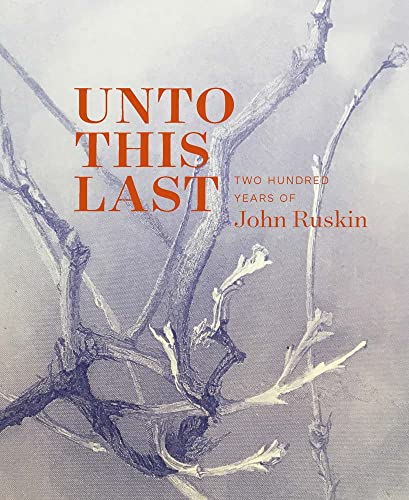
Art and social justice converge in a profound exploration of how creative vision can transform society and awaken our deepest sense of responsibility to one another. This groundbreaking examination takes readers on a journey through the influential ideas of John Ruskin, the Victorian era's most provocative art critic and social reformer, whose radical theories about beauty, labor, and human dignity continue to resonate powerfully in our contemporary world.
At the heart of this exploration lies a revolutionary understanding that aesthetics and ethics are inseparable. Ruskin's vision challenged the prevailing economic orthodoxies of his time, arguing that true wealth resides not in material accumulation but in human flourishing. His passionate critique of industrial capitalism and its dehumanizing effects on workers opened new pathways for thinking about what constitutes a meaningful life and a just society. Through careful analysis of his writings, artistic productions, and far-reaching influence, readers discover how one person's moral courage can spark movements that reshape civilizations.
The examination extends beyond historical analysis to reveal how these ideas inspired some of the twentieth century's most transformative social movements. Mahatma Gandhi himself was profoundly influenced by Ruskin's economic and social philosophy, adapting these Victorian-era concepts to fuel India's independence movement and his vision of village-based economies rooted in dignity and self-sufficiency. This connection illuminates how ideas about beauty, craftsmanship, and human value can transcend cultural boundaries and become catalysts for revolutionary change.
Read more ▼
The quest for happiness often leads to frustration, as many fail to realize that the...

Reaching sixty can evoke complex emotions, blending relief with ongoing ambition. This...

The quest for life's purpose often leads to unsatisfactory answers. This article...

Romantic love is a complex emotion shaped by historical, cultural, and biological...

Imagine going through one of the most physically and emotionally demanding experiences...

Daily actions often conflict with personal beliefs due to past experiences. By utilizing...

Have you ever argued over something that wasn't actually said? From cultural differences...

Therapists often use dream interpretation to delve into patients' emotions, but true...