



Happiness & Success
Achieving Happiness Through Acceptance of Life
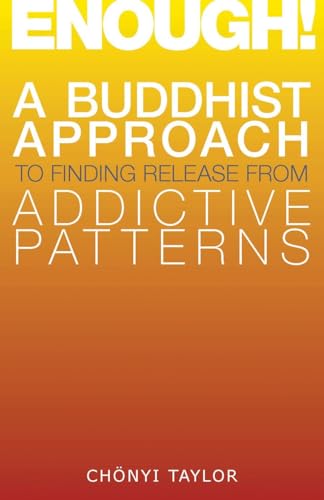
The quest for happiness often leads to frustration, as many fail to realize that the...









Understanding the root cause of chronic illness represents one of the most empowering journeys toward personal health transformation. At the heart of modern disease lies a single metabolic dysfunction that connects obesity, heart disease, type 2 diabetes, Alzheimer's, cancer, and countless other conditions plaguing contemporary society. This groundbreaking exploration reveals how insulin resistance serves as the common thread linking our most devastating health challenges, and more importantly, how recognizing this connection offers a clear path toward prevention and healing.
Insulin resistance occurs when cells throughout the body become desensitized to insulin's signals, requiring ever-increasing amounts of this crucial hormone to accomplish basic metabolic functions. What makes this condition particularly insidious is its silent progression over years or even decades before manifesting as diagnosable disease. By the time most people receive a diabetes diagnosis, insulin resistance has already been quietly damaging tissues and organs for potentially twenty years or more. This revelation fundamentally shifts how we understand disease development and personal health responsibility.
The comprehensive examination presented here demystifies complex biochemistry, making sophisticated metabolic science accessible to anyone committed to understanding their body's inner workings. Readers discover how modern dietary patterns, particularly excessive consumption of refined carbohydrates and sugars, create a metabolic environment that promotes insulin resistance. The constant elevation of blood glucose levels triggers repeated insulin surges, eventually causing cells to protect themselves by reducing their responsiveness to insulin's signals. This protective mechanism, while initially adaptive, ultimately becomes the foundation for metabolic disease.
Read more ▼
The quest for happiness often leads to frustration, as many fail to realize that the...

Reaching sixty can evoke complex emotions, blending relief with ongoing ambition. This...

The quest for life's purpose often leads to unsatisfactory answers. This article...

Imagine going through one of the most physically and emotionally demanding experiences...

Romantic love is a complex emotion shaped by historical, cultural, and biological...

Daily actions often conflict with personal beliefs due to past experiences. By utilizing...

Have you ever argued over something that wasn't actually said? From cultural differences...

Therapists often use dream interpretation to delve into patients' emotions, but true...