
Happiness & Success
Achieving Happiness Through Acceptance of Life
The quest for happiness often leads to frustration, as many fail to realize that the...









At the heart of genuine personal transformation lies a radical reorientation of how we engage with ourselves, others, and the world at large. This profound exploration of Buddhist wisdom offers readers a practical pathway toward developing two of humanity's most essential qualities: deep compassion and unwavering commitment to peaceful action. Drawing from centuries of contemplative tradition combined with contemporary insights into human psychology and social dynamics, these teachings provide both philosophical foundation and actionable methods for cultivating inner strength through gentleness rather than aggression.
The fundamental premise challenges many assumptions embedded in modern culture about power, effectiveness, and personal achievement. Rather than advocating for competitive individualism or domination, these teachings present compassion not as weakness or sentimentality, but as the most courageous and transformative force available to human consciousness. Readers discover that genuine personal empowerment emerges not from hardening oneself against the world, but from developing the inner resources to remain open-hearted even amid difficulty, injustice, and suffering.
Through systematic examination of how anger, resentment, and aggressive impulses actually undermine our wellbeing and effectiveness, the teachings reveal how violence—whether physical, verbal, or mental—ultimately imprisons us in cycles of reactivity that diminish our freedom and happiness. The alternative presented isn't passive resignation or weakness, but rather the cultivation of what might be called "peaceful strength": the capacity to respond to challenges with clarity, wisdom, and determination while refusing to add more harm to an already wounded world.
Read more ▼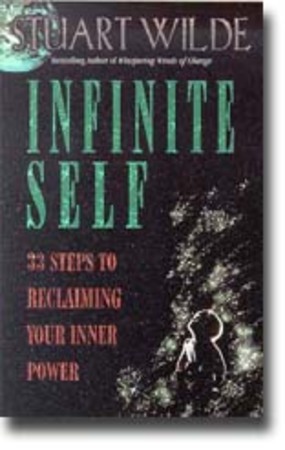
Stuart Wilde

G. M. Gilbert

Lucy Maud Montgomery

Mo Willems
The quest for happiness often leads to frustration, as many fail to realize that the...

Reaching sixty can evoke complex emotions, blending relief with ongoing ambition. This...

The quest for life's purpose often leads to unsatisfactory answers. This article...

Romantic love is a complex emotion shaped by historical, cultural, and biological...

Imagine going through one of the most physically and emotionally demanding experiences...

Daily actions often conflict with personal beliefs due to past experiences. By utilizing...

Have you ever argued over something that wasn't actually said? From cultural differences...

Therapists often use dream interpretation to delve into patients' emotions, but true...