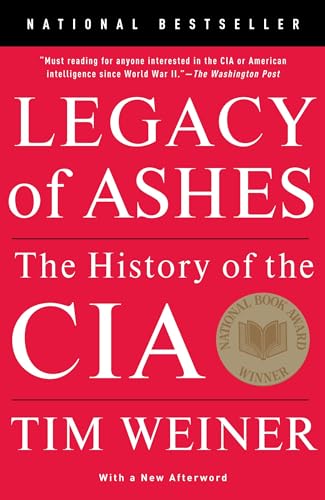



Understanding how institutions wielded power in the shadows during the second half of the twentieth century offers profound lessons for personal empowerment in our contemporary world. This meticulously researched examination of America's central intelligence agency reveals a stunning chronicle of institutional failure, hubris, and the consequences of operating without accountability—insights that resonate deeply with anyone seeking to understand how power structures shape our reality and how we can navigate them more consciously.
Drawing from thousands of declassified documents and hundreds of interviews with key figures, this work presents a comprehensive history spanning from the agency's creation after World War II through the early years of the twenty-first century. Rather than perpetuating mythology about shadowy competence, readers encounter a sobering portrait of an organization that repeatedly stumbled, made catastrophic miscalculations, and operated with far less effectiveness than either its supporters or critics imagined.
For readers committed to personal growth and social consciousness, understanding this institutional saga provides invaluable perspective on how bureaucracies function when shielded from oversight, how groupthink emerges within closed systems, and how even well-intentioned individuals can participate in operations that contradict their stated values. These lessons translate directly to examining power dynamics in our own lives—whether in workplace hierarchies, community organizations, or family systems.
The narrative traces numerous covert operations across multiple continents, from attempts to influence foreign governments to efforts at gathering intelligence that often proved spectacularly misguided. What emerges is a pattern of institutional behavior characterized by secrecy that bred incompetence, ambition that exceeded capability, and a persistent gap between public perception and operational reality. For anyone interested in discernment and critical thinking, this historical record demonstrates the importance of questioning official narratives and seeking evidence beneath surface appearances.
The psychological dimensions explored throughout prove particularly relevant for personal empowerment. Readers witness how cognitive biases affected decision-making at the highest levels, how confirmation bias led analysts to see what they expected rather than what evidence suggested, and how organizational culture can create environments where dissenting voices are silenced. These patterns mirror dynamics we encounter in our own contexts, offering opportunities to recognize similar tendencies within ourselves and our communities.
The examination of specific operations gone awry provides case studies in the consequences of acting without adequate information, the dangers of assuming we understand complex situations better than we do, and the ripple effects that emerge when short-term tactical thinking overrides strategic wisdom. These lessons apply universally to anyone making important decisions, whether personal, professional, or civic in nature.
Perhaps most significantly for readers focused on social consciousness, this historical account illuminates how secrecy and lack of accountability corrode democratic institutions and undermine the very values they purport to protect. Understanding this dynamic empowers citizens to demand transparency, question authority appropriately, and participate more effectively in democratic governance. Personal empowerment and civic engagement are inseparable—we cannot fully actualize our potential while remaining disconnected from the broader social and political forces shaping our world.
The wealth of documented failures and miscalculations serves not as mere criticism but as a master class in systems thinking. Readers learn to recognize warning signs of organizational dysfunction, understand how institutional incentives can misalign with stated missions, and appreciate the crucial importance of feedback mechanisms and accountability structures. These insights prove invaluable whether leading a team, participating in community organizing, or simply navigating complex organizational environments.
For those on a path of awakening and transformation, this historical examination offers a grounding counterbalance to spiritual bypassing—it insists that genuine personal growth includes understanding how power operates in the material world, recognizing our complicity in larger systems, and taking responsibility for creating more conscious, accountable institutions. True empowerment requires both inner work and engaged awareness of external realities.
This chronicle ultimately serves as a meditation on human fallibility, institutional hubris, and the ongoing struggle to align our actions with our ideals—themes that resonate profoundly with anyone committed to living more consciously, acting more ethically, and contributing to a more just and transparent world.