

Happiness & Success
Achieving Happiness Through Acceptance of Life
The quest for happiness often leads to frustration, as many fail to realize that the...








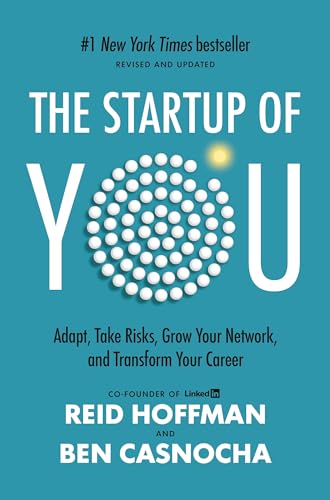
The fundamental premise here challenges conventional thinking about career development by proposing that everyone should approach their professional life with the mindset and strategies of an entrepreneur. Rather than viewing employment as a stable, linear path where loyalty to one company guarantees security, this approach recognizes that the modern world demands continuous adaptation, strategic thinking, and personal investment in ways that mirror how successful startups operate.
At the heart of this philosophy lies the recognition that permanent employment at a single company has become an outdated concept. The average person will change jobs numerous times throughout their working life, and entire industries can transform or disappear within a decade. This reality isn't presented as something to fear but rather as an opportunity to take control of your professional destiny. By thinking of yourself as a startup that's always in permanent beta mode, you embrace continuous improvement and remain adaptable to changing circumstances.
One of the most valuable insights offered involves viewing your career as a series of strategic moves rather than climbing a single corporate ladder. Just as successful entrepreneurs identify market opportunities and pivot when necessary, individuals must learn to recognize when their current position serves their long-term goals and when it's time to make a strategic shift. This requires developing what's termed "ABZ Planning," where you maintain a Plan A (your current path), simultaneously develop Plan B (an alternative direction), and always keep Plan Z (your fallback position) in mind. This framework provides both direction and security, allowing for bold moves while maintaining a safety net.
Read more ▼
William T. Thetford

Frantz Fanon, Richard Philcox, Anthony Appiah

Daniel Beunza
The quest for happiness often leads to frustration, as many fail to realize that the...

Reaching sixty can evoke complex emotions, blending relief with ongoing ambition. This...

The quest for life's purpose often leads to unsatisfactory answers. This article...

Romantic love is a complex emotion shaped by historical, cultural, and biological...

Imagine going through one of the most physically and emotionally demanding experiences...

Have you ever argued over something that wasn't actually said? From cultural differences...

Daily actions often conflict with personal beliefs due to past experiences. By utilizing...

Therapists often use dream interpretation to delve into patients' emotions, but true...