
Happiness & Success
Achieving Happiness Through Acceptance of Life
The quest for happiness often leads to frustration, as many fail to realize that the...








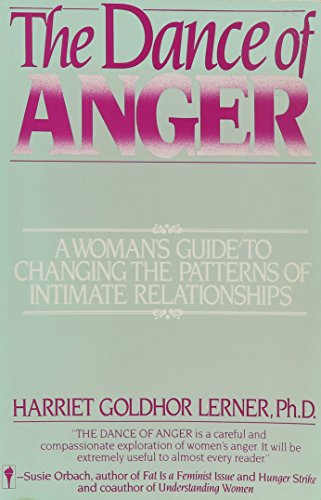
Anger is often misunderstood, particularly in women's lives where cultural conditioning has long dictated that expressing this powerful emotion is unladylike, destructive, or shameful. Yet suppressing anger doesn't make it disappear—it simply drives it underground where it manifests as depression, passive-aggressive behavior, chronic resentment, or explosive outbursts that damage relationships and erode self-esteem. Understanding how to work with anger constructively rather than denying or being controlled by it represents one of the most transformative skills anyone can develop for personal growth and relationship health.
This groundbreaking work reveals how anger serves as a crucial signal that something in our lives needs attention and change. Rather than viewing anger as a negative emotion to be eliminated, readers discover how it functions as an internal alarm system, alerting us to problems in our relationships, violations of our boundaries, or situations where our authentic needs and values are being compromised. The wisdom shared here teaches that the goal isn't to stop feeling angry but to harness that emotional energy for positive transformation and clearer communication.
Central to this exploration is the concept of circular dance patterns that develop in relationships when anger isn't addressed effectively. These repetitive cycles keep individuals stuck in dysfunctional dynamics where the same conflicts replay endlessly without resolution. Readers learn to recognize their own roles in these dances—whether they typically pursue, distance, overfunction, underfunction, or engage in other common relationship patterns. By understanding these dynamics, individuals gain the power to change their steps in the dance, which inevitably shifts the entire relational system.
Read more ▼
Lora Cheadle
Breaking the Chain of Low Self-Esteem
Marilyn Sorensen
Tim Ryan
Seven Practices of a Mindful Leader
Marc Lesser
The quest for happiness often leads to frustration, as many fail to realize that the...

Reaching sixty can evoke complex emotions, blending relief with ongoing ambition. This...

The quest for life's purpose often leads to unsatisfactory answers. This article...

Romantic love is a complex emotion shaped by historical, cultural, and biological...

Imagine going through one of the most physically and emotionally demanding experiences...

Daily actions often conflict with personal beliefs due to past experiences. By utilizing...

Have you ever argued over something that wasn't actually said? From cultural differences...

Therapists often use dream interpretation to delve into patients' emotions, but true...