

Happiness & Success
Achieving Happiness Through Acceptance of Life
The quest for happiness often leads to frustration, as many fail to realize that the...








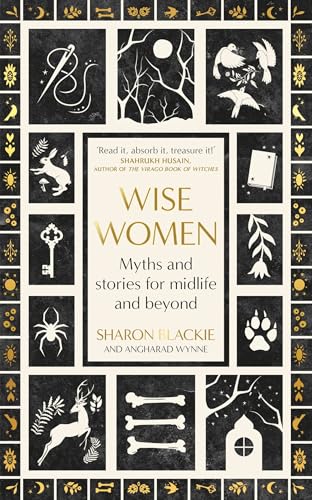
Throughout history, older women have been keepers of wisdom, healers, storytellers, and spiritual guides—yet modern culture has largely silenced their voices and rendered them invisible. This groundbreaking exploration reclaims the archetype of the wise woman, offering a radical reimagining of what it means to age as a woman in contemporary society and revealing pathways to profound personal empowerment through elderhood.
Drawing on Celtic mythology, folk traditions, psychological insights, and lived experiences, this work illuminates how women can step into their power during the second half of life. Rather than viewing aging as a process of decline and irrelevance, readers discover it as a time of liberation, depth, and increasing influence. The narrative weaves together ancient stories of powerful elder women—goddesses, seers, and sovereignty figures—with modern testimonies that demonstrate how these archetypes remain vitally relevant today.
At the heart of this exploration lies the recognition that patriarchal cultures have systematically suppressed the wisdom and authority of older women. From witch hunts that targeted elder women as healers and knowledge-holders to contemporary media that either ignores or ridicules women past their reproductive years, the diminishment of female elderhood has been deliberate and devastating. Yet this very suppression reveals how threatening the power of the wise woman truly is. By understanding this historical context, readers gain clarity about the cultural forces that have shaped their own internalized beliefs about aging and can begin dismantling those limiting narratives.
Read more ▼
Heather McGhee
Paul Pearsall
Kathleen McDonald
The quest for happiness often leads to frustration, as many fail to realize that the...

Reaching sixty can evoke complex emotions, blending relief with ongoing ambition. This...

The quest for life's purpose often leads to unsatisfactory answers. This article...

Imagine going through one of the most physically and emotionally demanding experiences...

Romantic love is a complex emotion shaped by historical, cultural, and biological...

Daily actions often conflict with personal beliefs due to past experiences. By utilizing...

Have you ever argued over something that wasn't actually said? From cultural differences...

Therapists often use dream interpretation to delve into patients' emotions, but true...