




Happiness & Success
Achieving Happiness Through Acceptance of Life
The quest for happiness often leads to frustration, as many fail to realize that the...








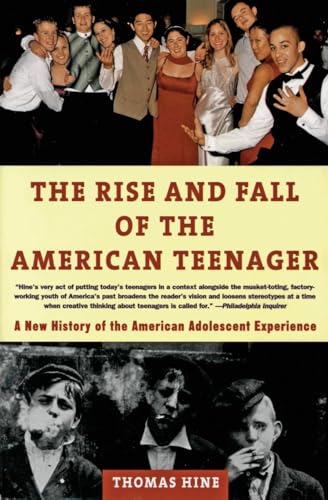
Adolescence as we know it today is neither natural nor inevitable, but rather a cultural invention that emerged during a specific moment in American history. This profound insight opens a fascinating exploration into how society created, shaped, and continues to grapple with the concept of the teenager. Through meticulous historical research and compelling cultural analysis, readers discover that the angst, rebellion, and confusion we associate with teenage years are largely products of modern industrial society rather than biological destiny.
The journey begins in the late nineteenth century, when economic and social transformations fundamentally altered the transition from childhood to adulthood. As child labor laws emerged and mandatory schooling extended into the later teen years, young people found themselves in an unprecedented limbo period. No longer children working alongside adults, yet not fully recognized as adults themselves, teenagers became a distinct demographic group with their own subculture, anxieties, and market power. This segregation created both opportunities and challenges that continue to resonate today.
Readers gain invaluable perspective on how different historical periods shaped teenage identity. The Great Depression teenager faced vastly different circumstances than the post-World War II youth who experienced unprecedented prosperity and leisure time. The 1950s emergence of teenage consumer culture, the rebellious 1960s, and subsequent decades each contributed unique elements to our contemporary understanding of adolescence. These historical patterns reveal how teenage behavior reflects broader societal values, anxieties, and economic conditions rather than purely individual or biological factors.
Read more ▼
The quest for happiness often leads to frustration, as many fail to realize that the...

Reaching sixty can evoke complex emotions, blending relief with ongoing ambition. This...

The quest for life's purpose often leads to unsatisfactory answers. This article...

Imagine going through one of the most physically and emotionally demanding experiences...

Romantic love is a complex emotion shaped by historical, cultural, and biological...

Daily actions often conflict with personal beliefs due to past experiences. By utilizing...

Have you ever argued over something that wasn't actually said? From cultural differences...

Therapists often use dream interpretation to delve into patients' emotions, but true...