
Happiness & Success
Achieving Happiness Through Acceptance of Life
The quest for happiness often leads to frustration, as many fail to realize that the...









Journey into a world where the boundaries between physical and spiritual realms dissolve, revealing profound truths about existence, resilience, and the transformative power of consciousness. Through the eyes of Azaro, a spirit child who has chosen to remain in the mortal world despite the persistent calls of his companions from the spirit realm, readers encounter a visionary exploration of what it means to be truly alive and awake in a challenging world.
Set in an unnamed West African nation emerging from colonial rule, this luminous narrative weaves together magical realism and harsh social reality to create a tapestry of human experience that speaks to universal themes of struggle, awakening, and personal sovereignty. Azaro belongs to the abiku tradition, spirits who repeatedly cycle between life and death, never fully committing to either realm. His decision to stay in the physical world, despite its suffering and hardship, represents a radical act of commitment to life itself, offering readers a powerful metaphor for conscious engagement with existence despite its difficulties.
The storytelling operates on multiple levels simultaneously, presenting both the grinding poverty and political turbulence of a community in transition while revealing the invisible dimensions of reality that coexist with our everyday experience. Readers discover how perception shapes reality as Azaro navigates between worlds, seeing spirits, ghosts, and mystical beings as naturally as he sees his parents and neighbors. This dual vision becomes a profound teaching tool about expanded consciousness and the limitations of purely material understanding.
Read more ▼
Elisabeth Rosenthal
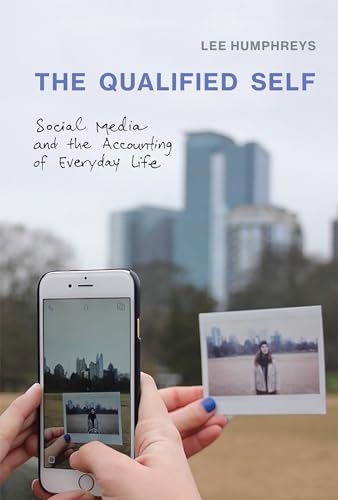
Lee Humphreys
Vir McCoy, Kara Zahl
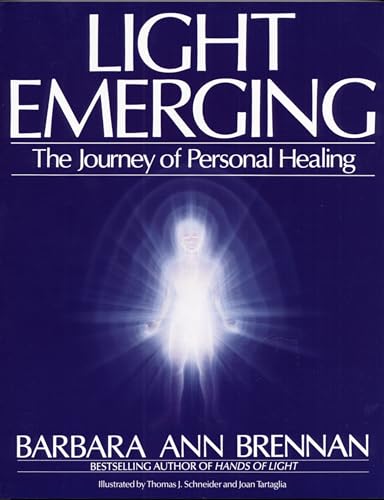
Barbara Ann Brennan
The quest for happiness often leads to frustration, as many fail to realize that the...

Reaching sixty can evoke complex emotions, blending relief with ongoing ambition. This...

The quest for life's purpose often leads to unsatisfactory answers. This article...

Romantic love is a complex emotion shaped by historical, cultural, and biological...

Imagine going through one of the most physically and emotionally demanding experiences...

Daily actions often conflict with personal beliefs due to past experiences. By utilizing...

Have you ever argued over something that wasn't actually said? From cultural differences...

Therapists often use dream interpretation to delve into patients' emotions, but true...