

Happiness & Success
Achieving Happiness Through Acceptance of Life
The quest for happiness often leads to frustration, as many fail to realize that the...








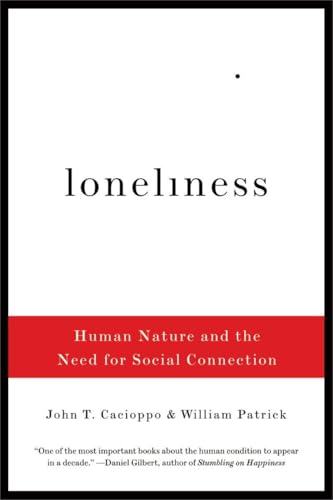
Understanding the profound impact of human connection on our physical health, mental wellbeing, and overall quality of life stands as one of the most important scientific discoveries of recent decades. Drawing from extensive neuroscience research and evolutionary psychology, this groundbreaking work reveals why the experience of social isolation affects us so deeply and what we can do to transform our relationships with ourselves and others.
The sensation of being disconnected from others is far more than an emotional inconvenience. Pioneering research demonstrates that chronic social isolation triggers the same neural pathways as physical pain, elevates stress hormones, weakens immune function, increases inflammation, and accelerates cognitive decline. The health consequences rival those of smoking, obesity, and physical inactivity. Yet despite living in an age of unprecedented connectivity through technology, rates of reported social isolation have doubled over the past several decades, creating a hidden epidemic that affects people across all demographics and life stages.
What emerges from years of rigorous scientific investigation is a revolutionary understanding of humans as fundamentally social beings whose brains are wired for connection from birth. Social bonds aren't merely pleasant additions to life but essential nutrients for survival, comparable to food, water, and shelter. Our ancestors' ability to form cohesive groups determined whether they would survive harsh climates, predators, and competing tribes. This evolutionary heritage means our nervous systems remain exquisitely attuned to social threats and opportunities, constantly scanning our environment for signals of acceptance or rejection.
Read more ▼
Coming of Age at the Millennium
Nathan Rutstein

Selene Calloni Williams

Barton Goldsmith, Marlena Hunter
The quest for happiness often leads to frustration, as many fail to realize that the...

Reaching sixty can evoke complex emotions, blending relief with ongoing ambition. This...

The quest for life's purpose often leads to unsatisfactory answers. This article...

Romantic love is a complex emotion shaped by historical, cultural, and biological...

Imagine going through one of the most physically and emotionally demanding experiences...

Daily actions often conflict with personal beliefs due to past experiences. By utilizing...

Have you ever argued over something that wasn't actually said? From cultural differences...

Therapists often use dream interpretation to delve into patients' emotions, but true...