
Happiness & Success
Achieving Happiness Through Acceptance of Life
The quest for happiness often leads to frustration, as many fail to realize that the...









Imagine a world transformed by climate catastrophe, where rising seas have redrawn the maps and reshaped human civilization itself. Along the entire coastline of a nation stands a massive concrete barrier, a wall that separates those inside from the desperate masses seeking refuge from flooded lands. Young citizens are conscripted to defend this structure, standing guard with the knowledge that failure means being cast out to join those they're meant to keep away. This is a reality where the comfortable life once taken for granted exists only behind fortifications, and where every person must grapple with what they're willing to do to preserve their own safety and privilege.
This powerful narrative plunges readers into a near-future scenario that feels uncomfortably plausible, offering a mirror to our current moment and the choices we face as a global community. Through the eyes of a young defender assigned to the wall, we experience the psychological weight of being positioned at the literal boundary between security and chaos, between the haves and have-nots. The story becomes a profound meditation on complicity, responsibility, and the human capacity to normalize even the most troubling circumstances when survival seems to demand it.
What makes this exploration particularly relevant for those on a path of personal growth and awakening is how it examines the interior landscape of someone caught in an unjust system. The protagonist didn't create the wall or the circumstances that made it seem necessary, yet must reconcile their role in perpetuating division and suffering. This internal struggle speaks directly to the challenges we all face in recognizing how we participate in systems that cause harm, even as we consider ourselves good people simply trying to live our lives.
Read more ▼
Joe Hutto

Barbara E. Savin

Jennifer Howard
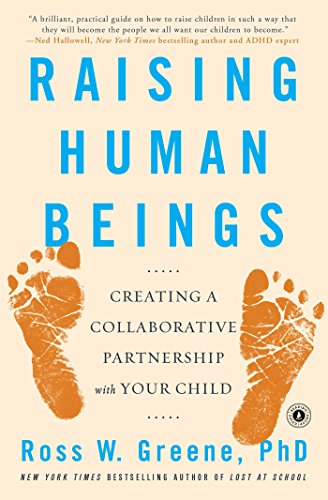
Ross W. Greene
The quest for happiness often leads to frustration, as many fail to realize that the...

Reaching sixty can evoke complex emotions, blending relief with ongoing ambition. This...

The quest for life's purpose often leads to unsatisfactory answers. This article...

Romantic love is a complex emotion shaped by historical, cultural, and biological...

Imagine going through one of the most physically and emotionally demanding experiences...

Daily actions often conflict with personal beliefs due to past experiences. By utilizing...

Have you ever argued over something that wasn't actually said? From cultural differences...

Therapists often use dream interpretation to delve into patients' emotions, but true...