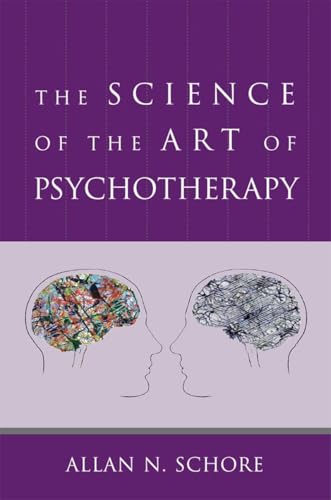




Understanding how the therapeutic relationship actually facilitates healing represents one of the most profound challenges in psychology and neuroscience. This groundbreaking work bridges the gap between clinical practice and cutting-edge brain research, offering therapists and anyone interested in psychological healing a scientifically grounded framework for understanding the mechanisms of transformation that occur within the therapeutic encounter.
At the heart of this exploration lies the recognition that psychotherapy is fundamentally a right-brain to right-brain communication process. While traditional approaches have emphasized verbal, left-brain interpretations and cognitive insights, emerging neuroscience reveals that the deepest healing occurs through implicit, nonverbal, emotional communication between therapist and client. This represents a paradigm shift in understanding how therapeutic change actually happens at the neurobiological level.
The work delves deeply into attachment theory and its neurobiological underpinnings, demonstrating how early relational experiences literally shape the developing brain's architecture. These early patterns become encoded in implicit memory systems and continue to influence emotional regulation, stress responses, and relationship patterns throughout life. Understanding these foundational processes illuminates why certain therapeutic interventions work and others fall short, particularly when addressing trauma and developmental wounds.
A central theme involves the concept of affect regulation and how the therapeutic relationship provides a unique opportunity for repairing deficits in this crucial capacity. Through attuned, emotionally present engagement, therapists help clients develop new neural pathways for managing intense emotional states. This process goes far beyond simply talking about feelings; it involves the actual rewiring of subcortical brain systems responsible for emotional processing and stress response.
The integration of interpersonal neurobiology with clinical practice offers readers a comprehensive understanding of how moment-to-moment interactions during therapy sessions create opportunities for neuroplastic change. Detailed attention is given to the role of resonance, attunement, and rupture-and-repair sequences in the therapeutic relationship. These concepts are not merely theoretical abstractions but represent observable neurobiological processes that can be tracked through changes in brain activation patterns and physiological states.
Readers will gain insight into the critical importance of the therapist's own emotional state and regulatory capacity. The concept of the therapist as a psychobiological regulator highlights how the practitioner's ability to remain present and regulated during intense emotional moments provides an essential scaffolding for the client's developing regulatory capacities. This understanding emphasizes the importance of therapist self-awareness and ongoing personal development.
The exploration of implicit communication processes reveals how much therapeutic work happens beneath the level of conscious awareness. Facial expressions, tone of voice, timing, rhythm, and bodily states all communicate crucial information that shapes the therapeutic process. Learning to attend to and work with these implicit channels opens new dimensions of therapeutic effectiveness and deepens the healing potential of the relationship.
For those interested in trauma treatment, this work provides invaluable insights into how traumatic experiences affect right-brain development and functioning. The discussion of dissociative processes, autonomic nervous system dysregulation, and the neurobiology of safety offers a sophisticated framework for understanding and treating complex trauma. These insights have practical implications for creating therapeutic environments that facilitate healing rather than inadvertently retraumatizing vulnerable clients.
The synthesis of developmental psychology, attachment research, affective neuroscience, and clinical practice creates a comprehensive model that honors both the art and science of therapeutic healing. Rather than reducing the therapeutic relationship to mere technique or biology, this approach recognizes the profound complexity and beauty of the healing encounter while grounding understanding in empirical research.
Whether you are a mental health professional seeking to deepen your clinical effectiveness, someone interested in understanding the mechanisms of psychological healing, or a person on a journey of personal transformation, this work offers profound insights into how human connection facilitates growth and healing. The integration of neuroscience with clinical wisdom provides a roadmap for understanding not just what works in therapy, but why it works at the deepest neurobiological and relational levels.