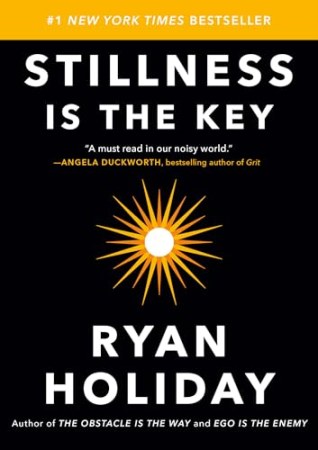
In our hyperconnected, always-on world, the ancient practice of cultivating inner stillness has never been more relevant or more necessary for our mental, emotional, and physical wellbeing. This profound exploration of stillness draws from the wisdom of Stoic philosophy, Buddhist practice, and the lives of history's greatest thinkers, artists, and leaders to reveal how quieting the mind and body can unlock extraordinary performance, clarity, and peace.
The core premise is elegant yet transformative: stillness is not merely the absence of movement or noise, but an active state of clarity and presence that allows us to see reality clearly, connect with our deepest values, and respond to life's challenges with wisdom rather than reactivity. In an age of information overload, constant distraction, and mounting anxiety, learning to access stillness becomes not just beneficial but essential for maintaining our health and sanity.
The journey unfolds across three interconnected dimensions of human experience: the mind, the spirit, and the body. Each domain offers unique pathways to stillness, and together they create a comprehensive framework for personal transformation.
Within the realm of the mind, we discover how history's greatest achievers consistently practiced mental disciplines that allowed them to think more clearly and act more decisively. From ancient philosophers to modern innovators, those who mastered their inner dialogue and cultivated focused attention gained remarkable advantages. Practical techniques are woven throughout, showing how to limit inputs, embrace solitude, seek wisdom over mere knowledge, and develop the confidence to think for ourselves rather than being swept along by popular opinion or emotional reactions.
The spiritual dimension explores how stillness connects us to something larger than ourselves, providing meaning and purpose that transcends daily struggles. Drawing from diverse wisdom traditions, this section reveals how practices like journaling, virtue cultivation, and service to others can anchor us in values that remain constant even as external circumstances shift dramatically. The exploration demonstrates that spirituality need not be religious; rather, it involves developing a philosophy of life that guides our choices and helps us maintain perspective during both triumph and adversity.
Perhaps most immediately accessible is the physical component, which reveals the profound connection between bodily stillness and mental clarity. The wisdom here is both ancient and supported by contemporary neuroscience: what we do with our bodies directly impacts our ability to think clearly, regulate emotions, and maintain wellbeing. Practices such as walking, strategic rest, proper sleep, and spending time in nature emerge not as luxuries but as fundamental requirements for optimal functioning. The discussion of physical stillness also addresses how society's addiction to busyness actively harms our health, contributing to stress-related illnesses, burnout, and chronic inflammation.
Throughout this exploration, stories of remarkable individuals illustrate these principles in action. We encounter artists who created masterpieces only after years of patient practice, leaders who made world-changing decisions from places of inner calm, and seekers who discovered profound truths through disciplined introspection. These examples span cultures and centuries, demonstrating that stillness is a universal human capacity, not a trait reserved for monks or mystics.
What makes this approach particularly powerful for contemporary readers is its practicality. Rather than advocating retreat from the world, it shows how to bring stillness into the midst of busy, demanding lives. The practices suggested are not time-intensive rituals but small adjustments in how we structure our days, direct our attention, and respond to challenges.
The health implications are significant and multifaceted. Chronic stress and constant mental stimulation contribute to numerous modern ailments, from anxiety and depression to cardiovascular disease and weakened immune function. By learning to access stillness, readers gain tools for directly addressing these health challenges at their source. The nervous system calms, inflammatory responses decrease, and the body's natural healing capacities strengthen.
Ultimately, this work offers something increasingly rare: a pathway to genuine peace and clarity that doesn't require abandoning responsibility or escaping into fantasy. Instead, it shows how stillness enhances every aspect of life, making us more effective, more creative, more present with loved ones, and more attuned to what truly matters. For anyone feeling overwhelmed by modern life's relentless pace, this exploration of stillness provides both comfort and practical wisdom for the journey ahead.